Chios este una dintre insulele mai putin cunoscute din arhipelagul grecesc, muntoasa dar cu multa vegetatie, cu sate medievale ce pastreaza intre zidurile de piatra traditii si arome pe care le descoperi pasind pe stradutele inguste indreptand-te spre micile cafenele sau taverne ce te ispitesc cu savori locale, fie coborand spre mare, catre una dintre cele 90 de plaje ce inconjoara intreaga insula.
Situata in partea de nord-est a Marii Egee, Chios este a 5-a insula ca marime din Grecia (842 de kilometri patrati) si are toate atuurile naturale pentru a oferi peisaje pitoresti si experiente inedite celor care se incumeta sa iasa din leneveala placuta a plajelor si a brizei turcoaz si pornesc sa exploreze insula in lung si-n lat. Am descoperit locuri superbe, pe care vi le voi dezvalui in continuare, insa, ceea ce m-a impresionat mai presus de cele vazute, gustate, savurate si auzite, a fost bunavointa si bunatatea oamenilor: fie ca era primarul insulei sau al satului, fie ca era un sofer, un mic comerciant sau proprietarul unei taverne, cel care facea cafeaua sau pastele traditionale, bucatar sau pescar. Ceea ce am simtit peste tot a fost o bunatate nativa, autentica, nedeformata de cultul ospitalitatii turistice (necesar si important, da). Cred ca este o forma de puritate care porneste din felul de a fi al localnicilor si se transmite pretutindeni in jur.
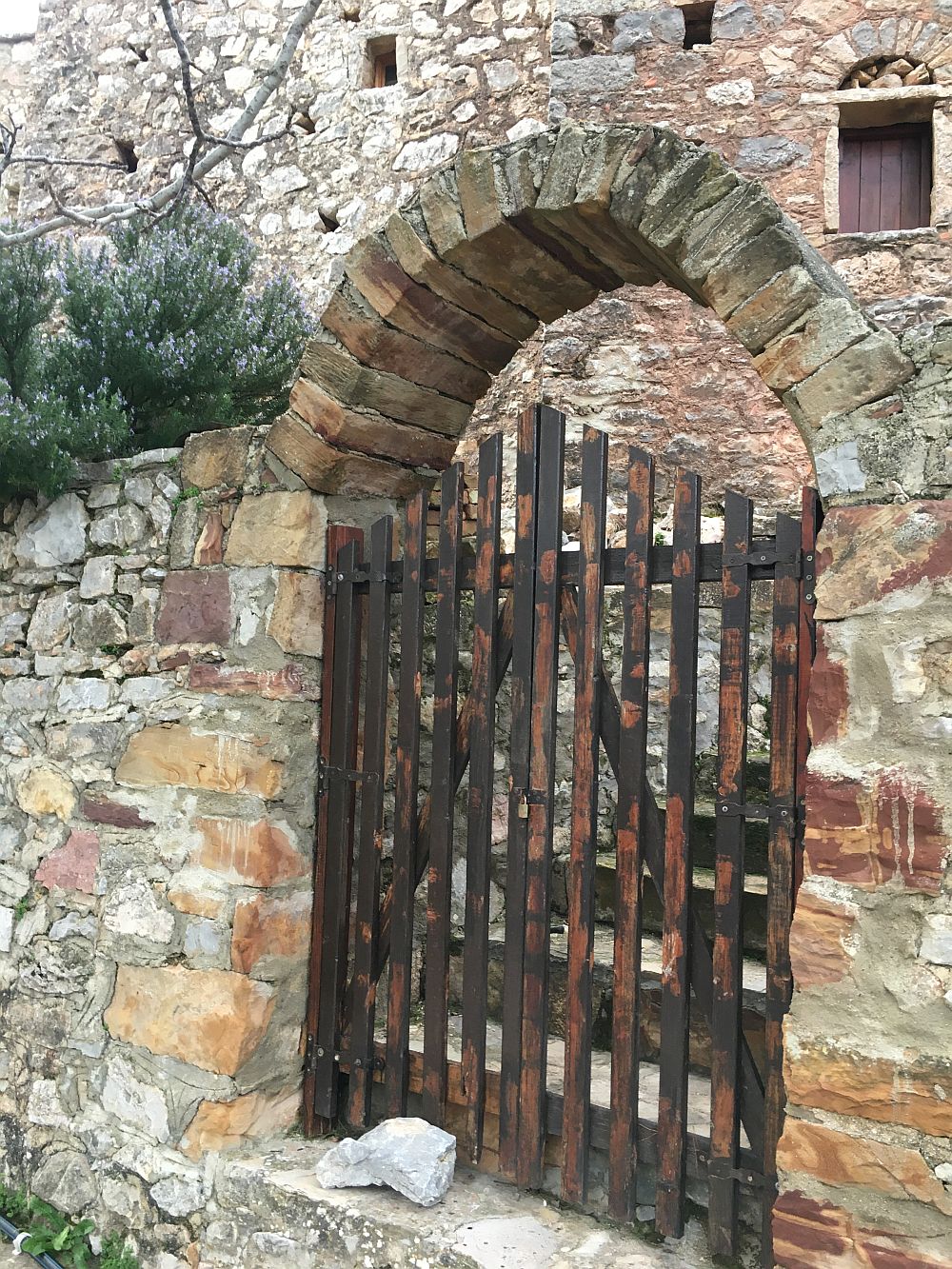
Avgonyma, satul medieval din piatra in care-am locuit in timpul sejurului, se afla in partea centrala a insulei, pozitie perfecta pentru a explora inspre nord sau sud. Pitoresc, linistit, discret, este cunoscut pentru casele din piatră cubică, aleile înguste și piața pavată tot cu piatră. Priveliștea din sat este spectaculoasa, deoarece din partea de vest se poate vedea Marea Egee, iar din est pădurea de pini. La doar zece minute de mers cu mașina de sat, găsiti plaja Elinda, cu apă cristalină. Se poate sta la casutele-bungalow sau apartamentele tradiționale din sat și se mananca preparate locale la restaurantele de acolo.
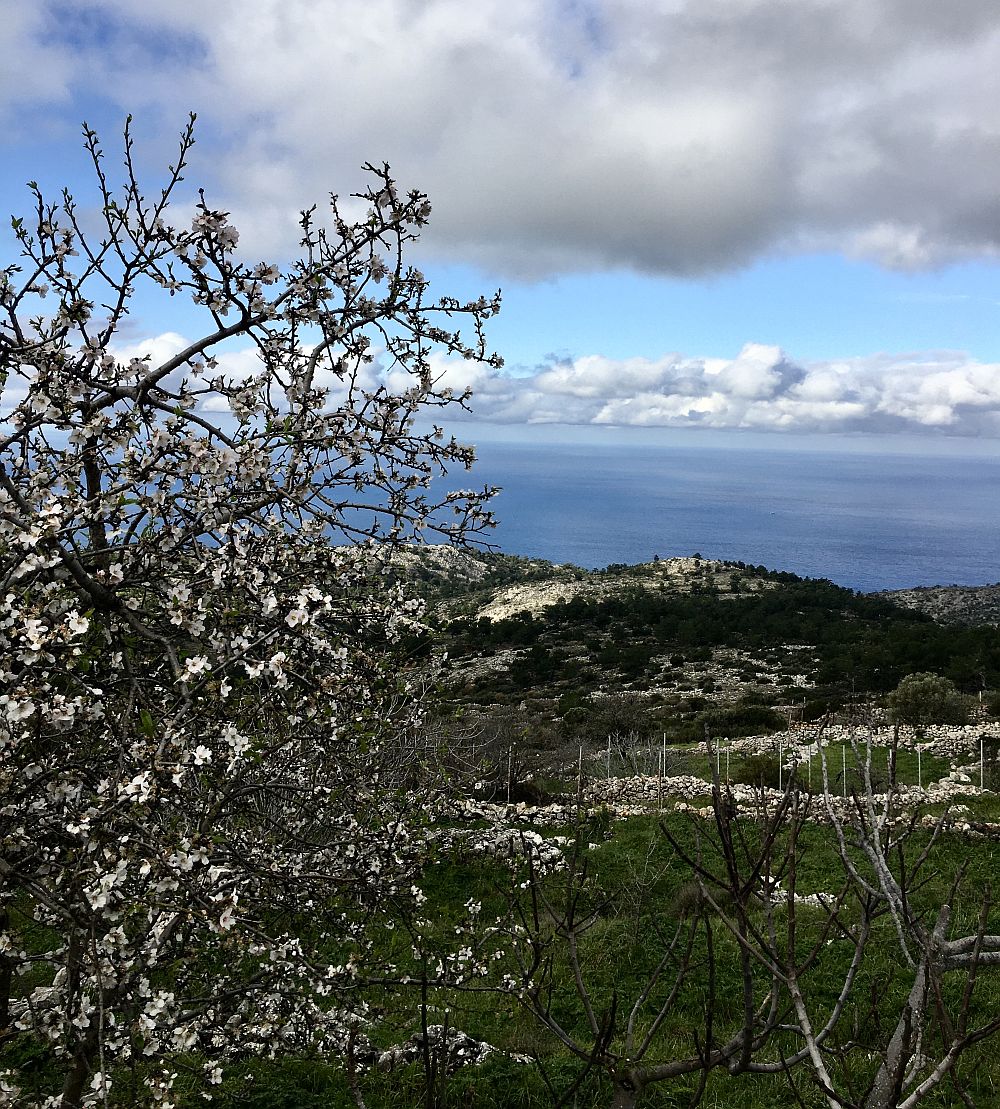
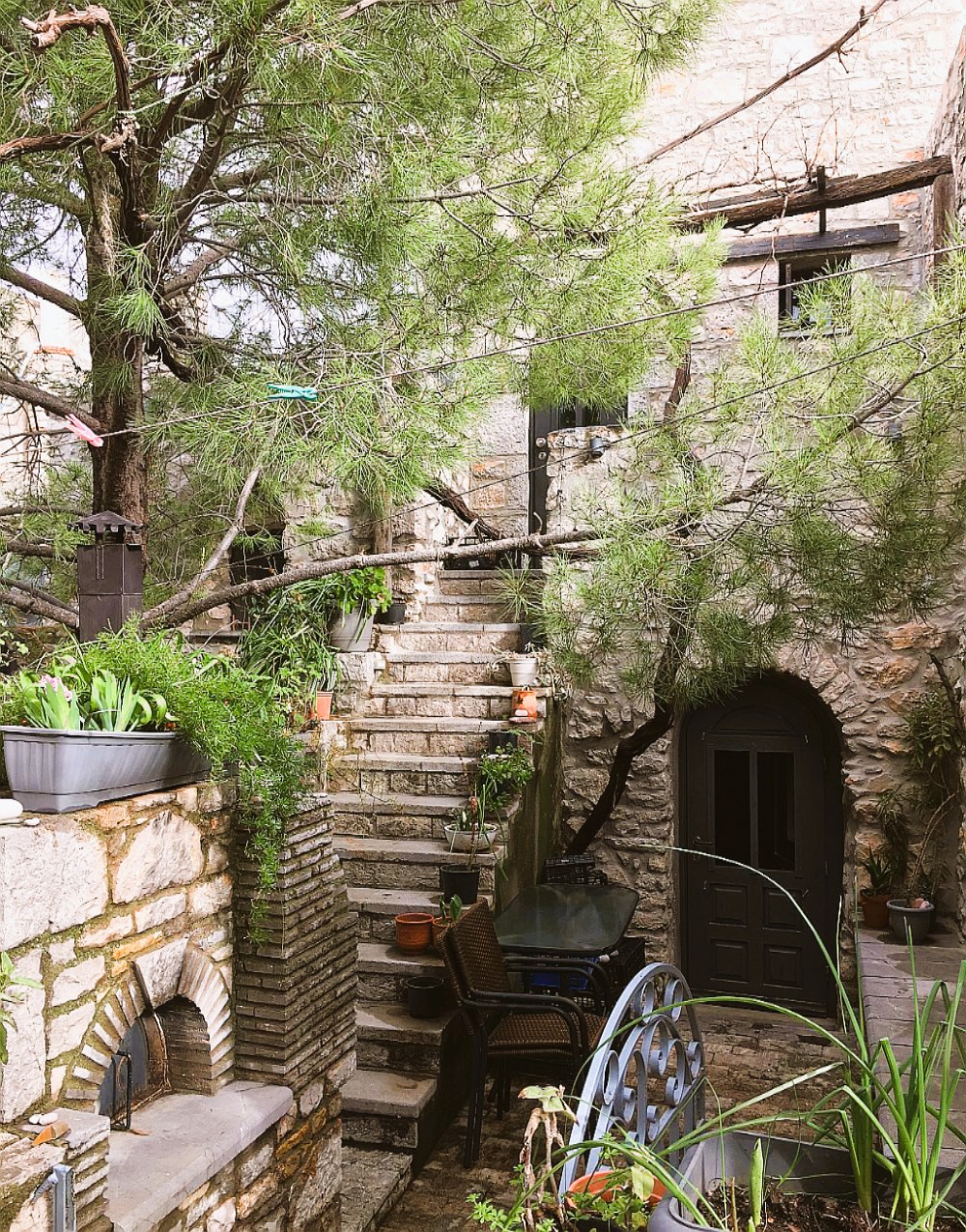
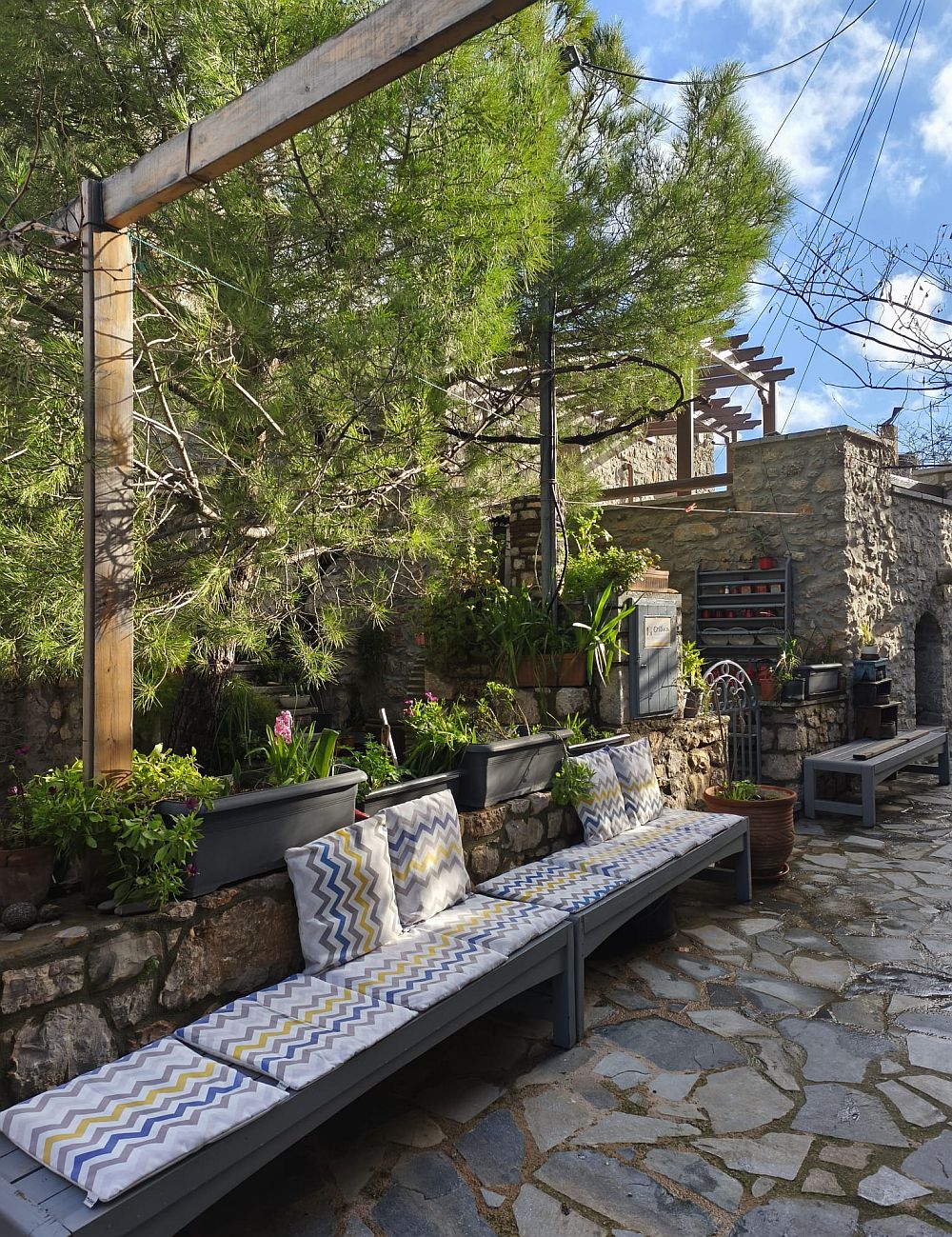
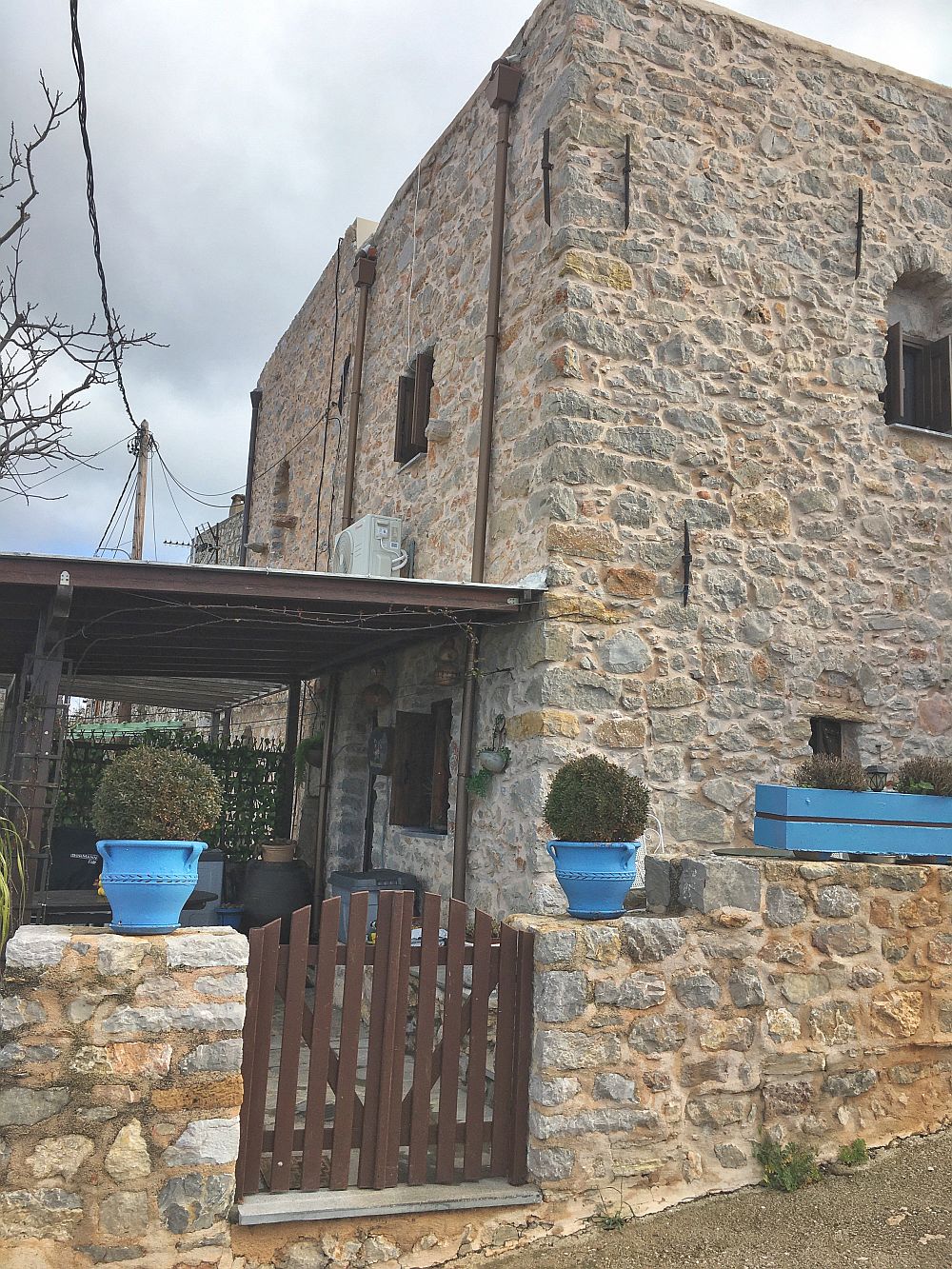
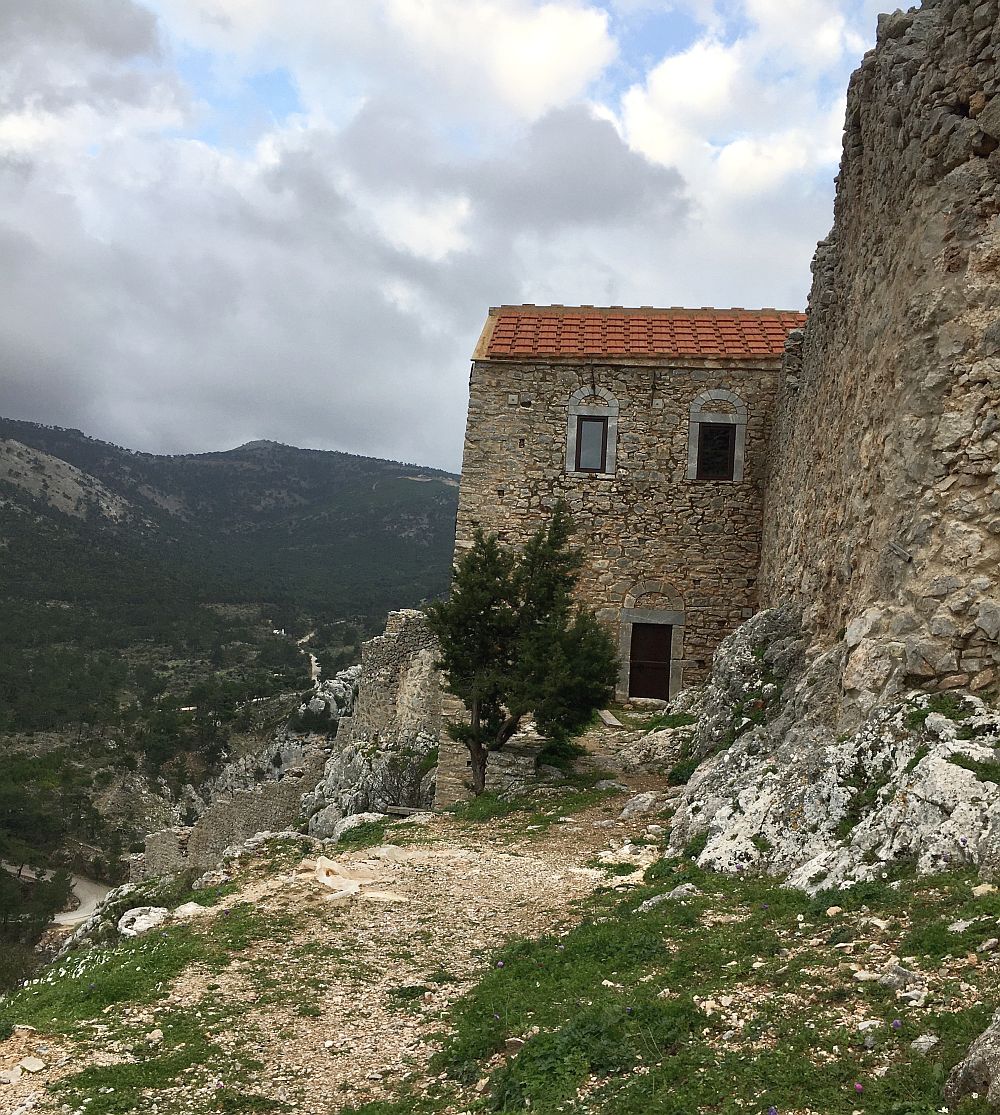
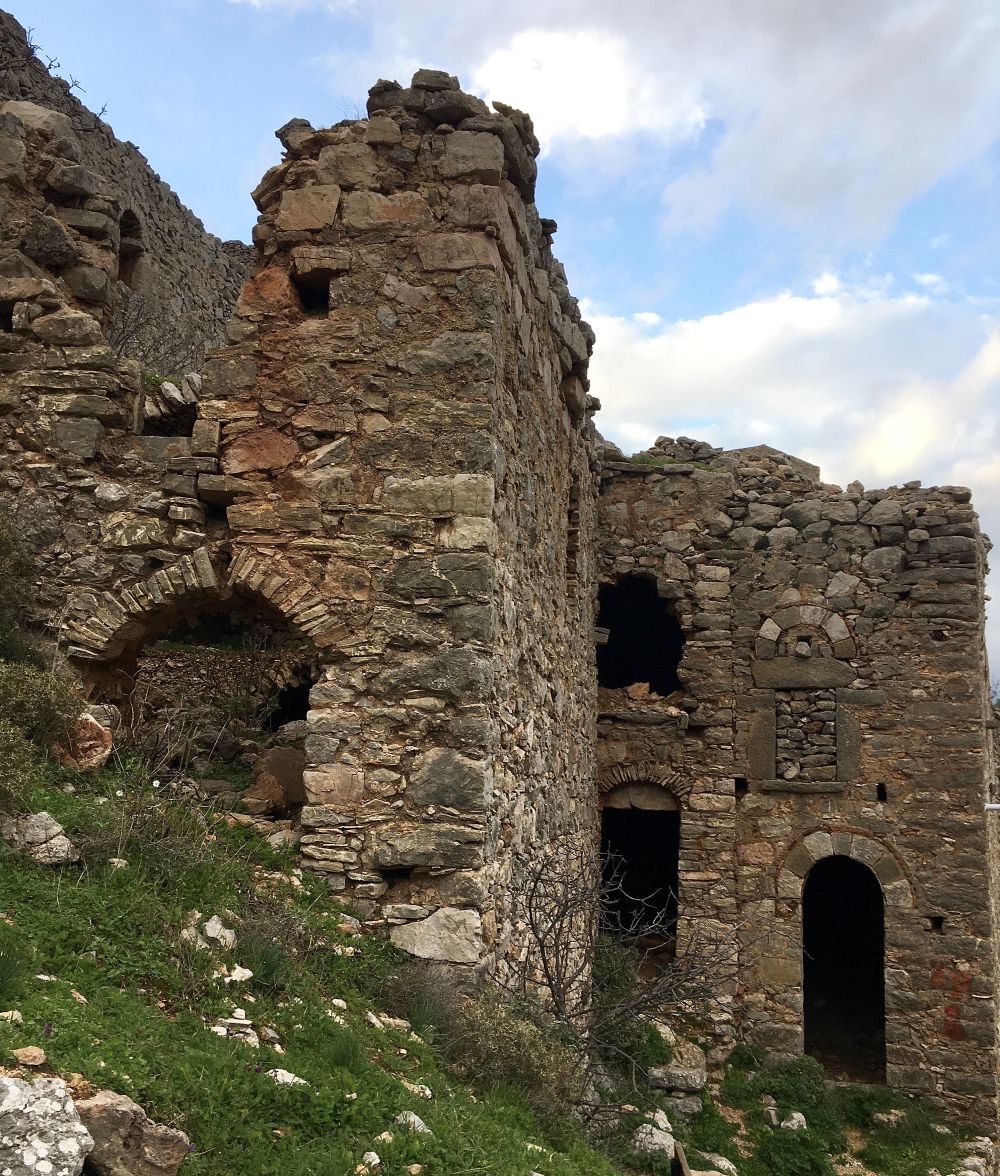
La 6 kilometri nord de Avgonyma se afla fantomaticul Anavatos, un sit istoric, ruine ale unui sat fortareata medieval, construit in perioada bizantina tarzie si consolidat apoi de genovezi, pe o stâncă abruptă, cu un singur drum de acces, din partea de nord. Priveliștea vă va răsplăti efortul de a ajunge acolo, iar linistea stranie prin care razbate vantul pare ca aduce soapte din tristetea masacrului din 1822, cand multi localnici s-au refugiat in cetate. Deși Anavatos este în esență un sat fantomă, cativa oameni au restaurat casele familiei, în special în zona inferioară a satului, asa ca vara și în weekenduri, kafeneio-ul satului este deschis și servește produse de patiserie de casă și preparate locale.
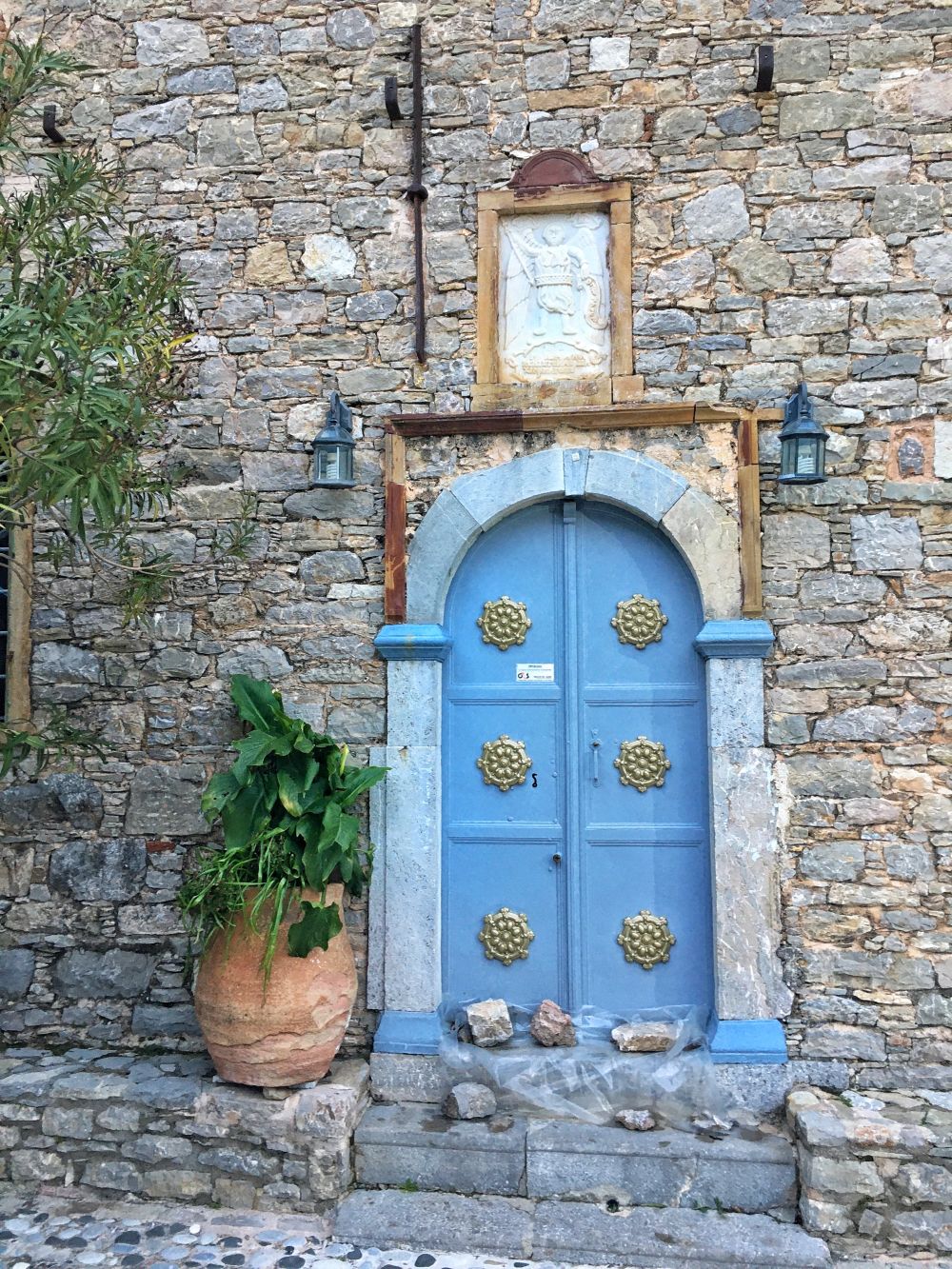
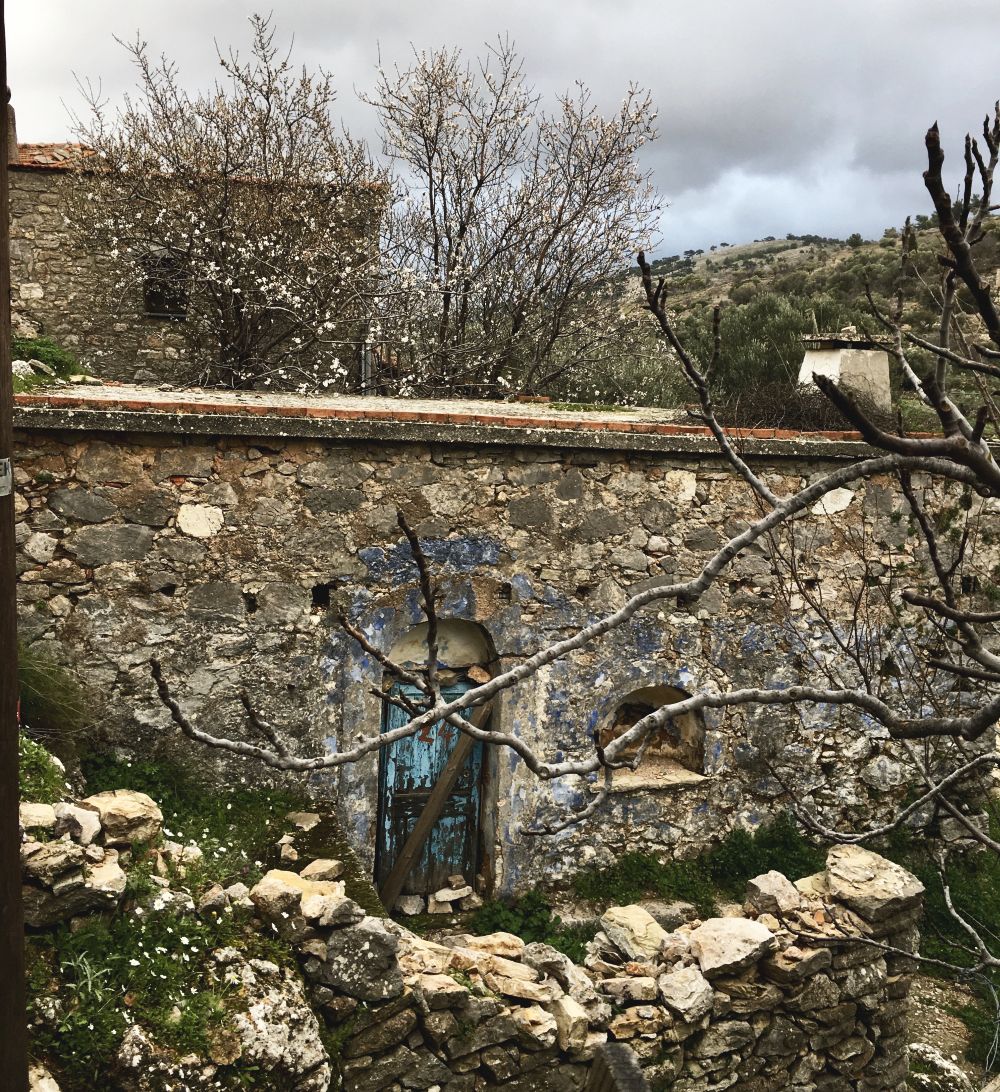
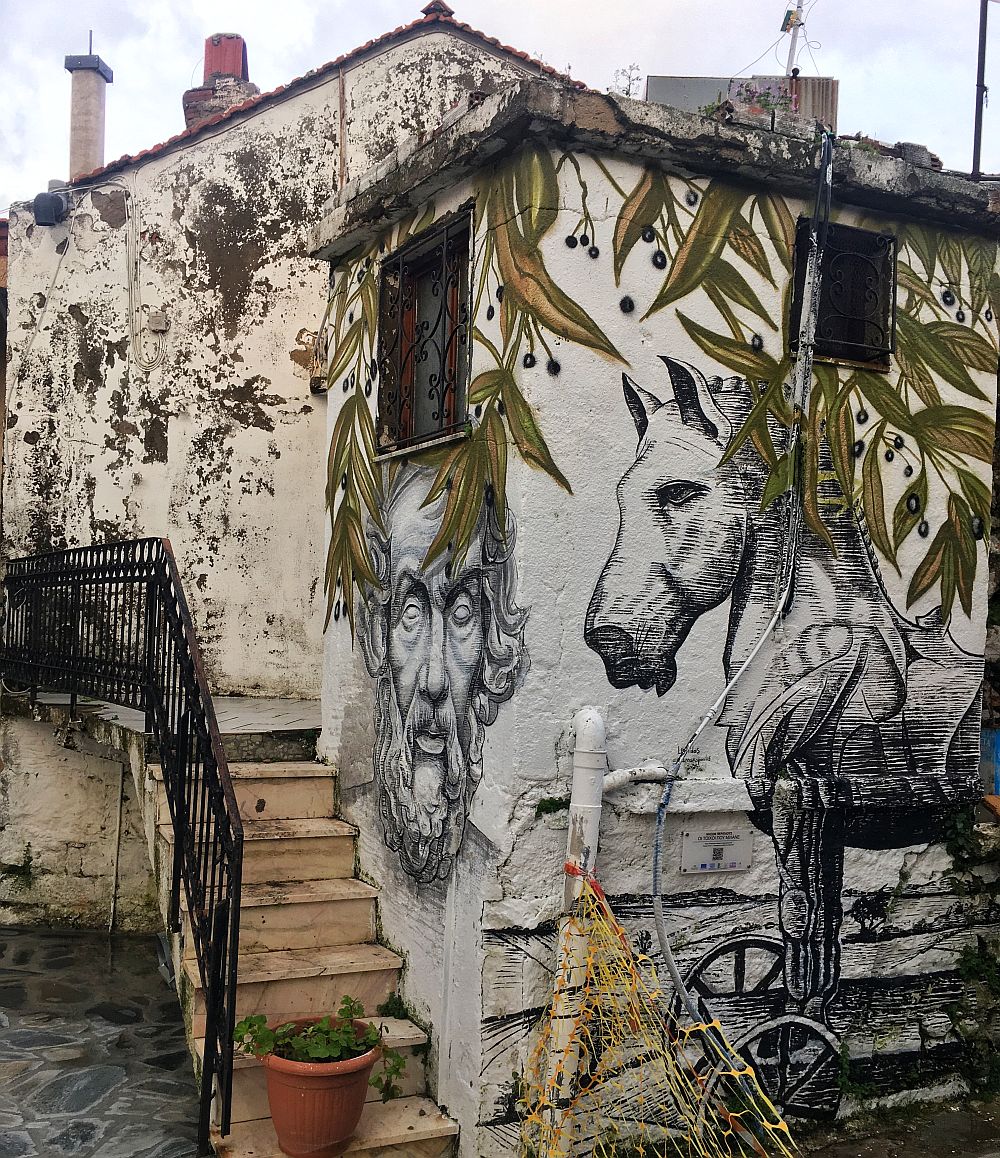
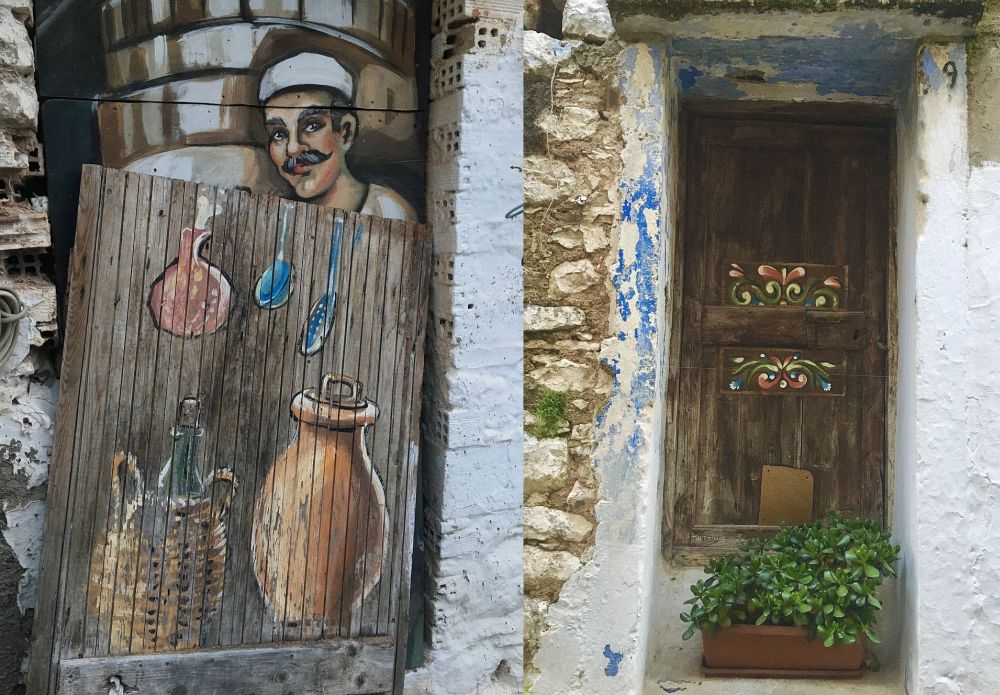
Continuand spre nord, ajungem la Pityos, un satuc de munte cu 49 de locuitori si 17 bisericute, unde se afla un turn medieval renovat ce se poate vizita, case cu mici usi de lemn pictate, o casa unde se presupune ca a locuit Homer, un mic muzeu cu unelte traditionale de obtinere a uleiului de masline, dar si cateva carciumioare ce ofera preparate delicioase pe baza de paste traditionale si alte savori, plus niste vinuri locale memorabile. Noi ne-am delectat cu bucate alese si retete la un workshop gastronomic sustinut de simpatica Evi Katsioni, care gateste senzational de bun si bine.
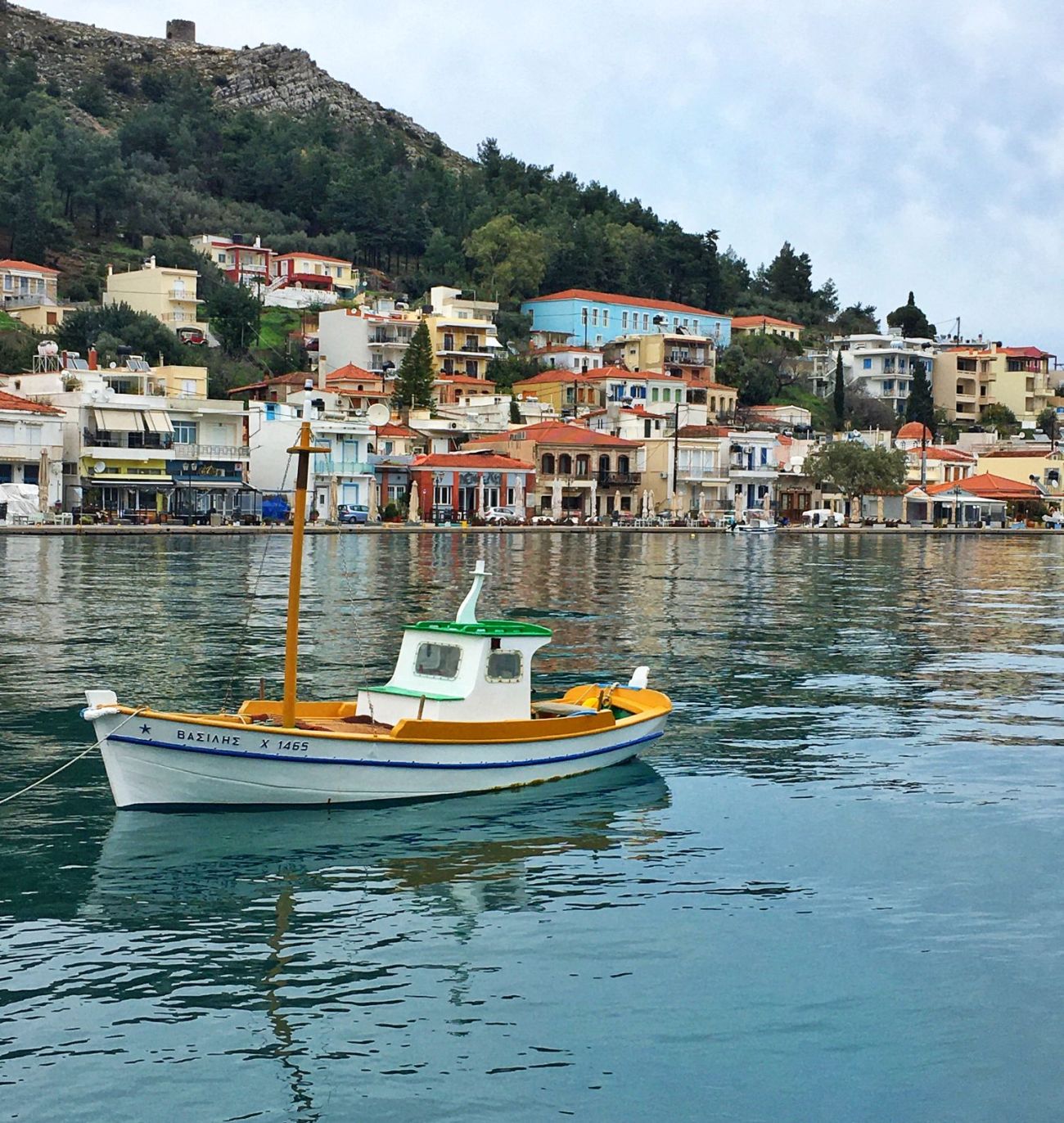
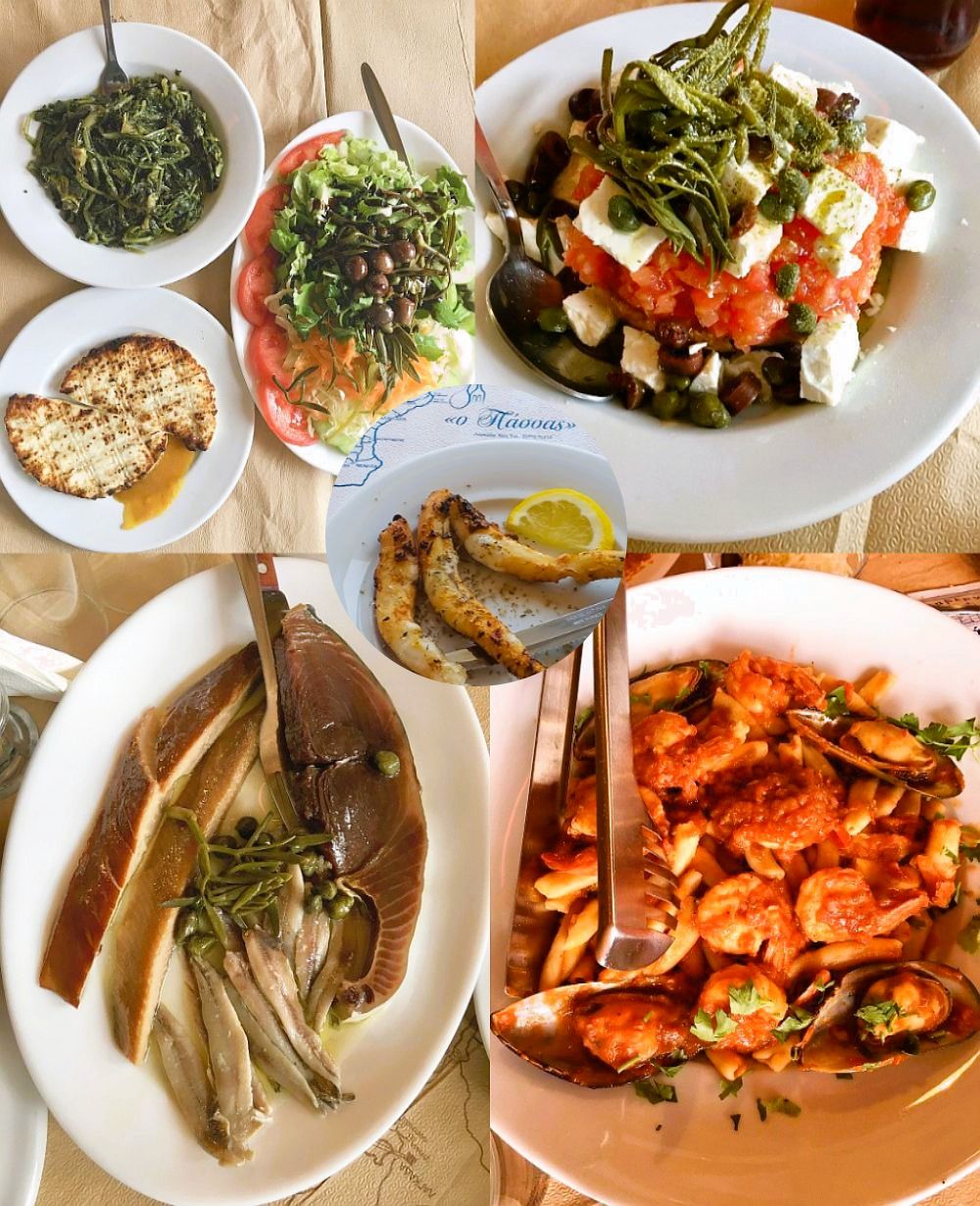
Peisajul se schimba total pe tarmul de nord-est, la Lagada, un sat pescaresc cu o lungă tradiție maritimă, recunoscut pentru restaurantele cu preparate din peste si fructe de mare din micul golf. Este o combinație perfectă între munte și mare, iar pădurile de pini care îl înconjoară coboara până la malul mării, adaugand un plus de pitoresc si culoare. Lagada este o alegere excelentă pentru o zi de rasfat gastronomic si vizual, pe care noi am savurat-o pe deplin la Taverna O-Passas aflata pe faleza, detinuta de familia cu acelasi nume de cateva generatii, incepand din anul 1952.
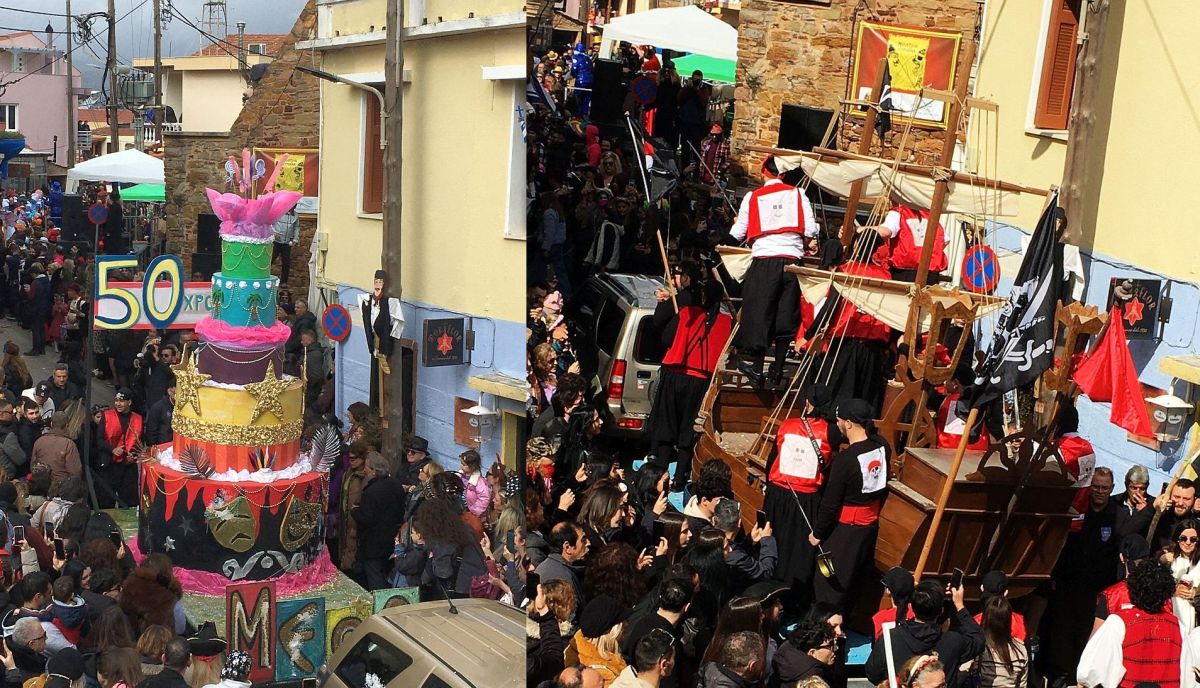
În satul Thymiana are loc în fiecare an „Carnavalul Mostra”, cu parade, mascarade și dansuri tradiționale, ce marcheaza inceperea postului Pastelui. Noi am ajuns aici duminica, 22 februarie, ultima zi a carnavalului, la timp pentru a vedea reconstituirea unei batalii de legenda intre localnici si pirati, care a precedat o parada fabuloasa cu care alegorice, costume colorate si butaforii de efect ce satirizau aspecte ale vietii de zi cu zi, inclusiv din zona administrativ-politica a Greciei. Frig, vant, soare cu dinti, aglomeratie de turisti si localnici, dar multa veselie si voie buna intretinute cu ouzo si mastica din belsug.
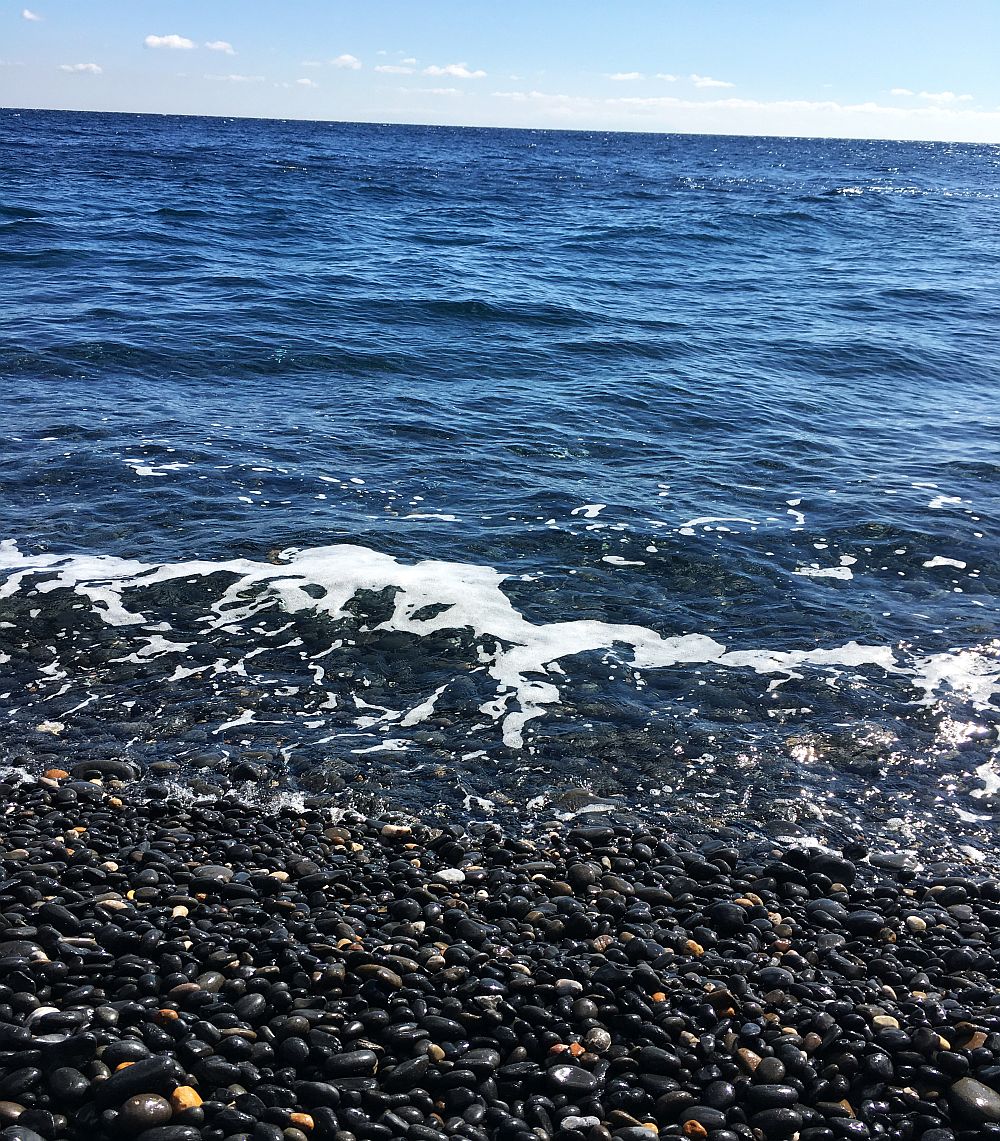
Coborand spre sud, pe tarmul de est al insulei, langa micul port Emporios, este plaja Mavra Volia (in traducere “sticla neagra”), probabil cea mai faimoasă plajă din Chios. Pietrele negre, rezultat al activității vulcanice din timpuri străvechi si stâncile înalte lovite de valurile albastru intens formează un peisaj impresionant.
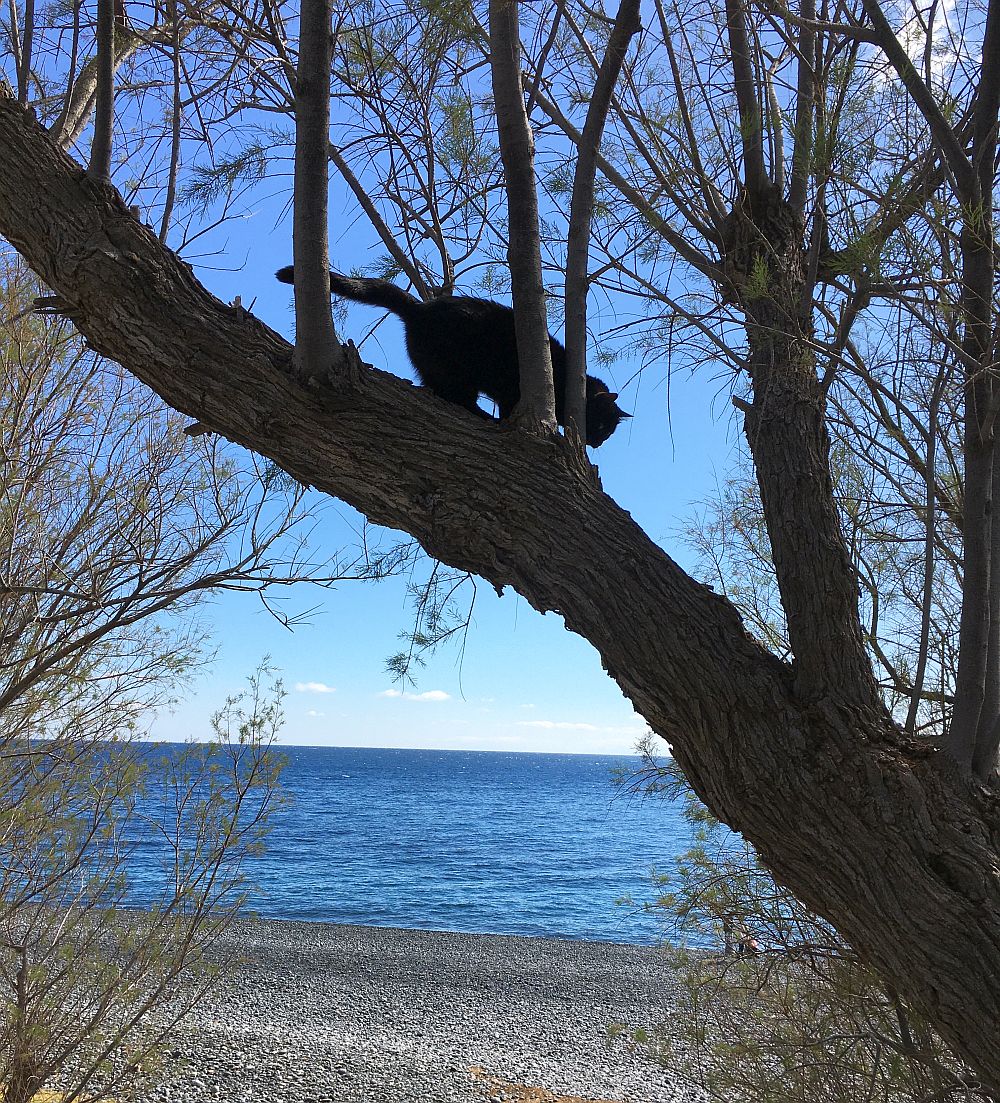
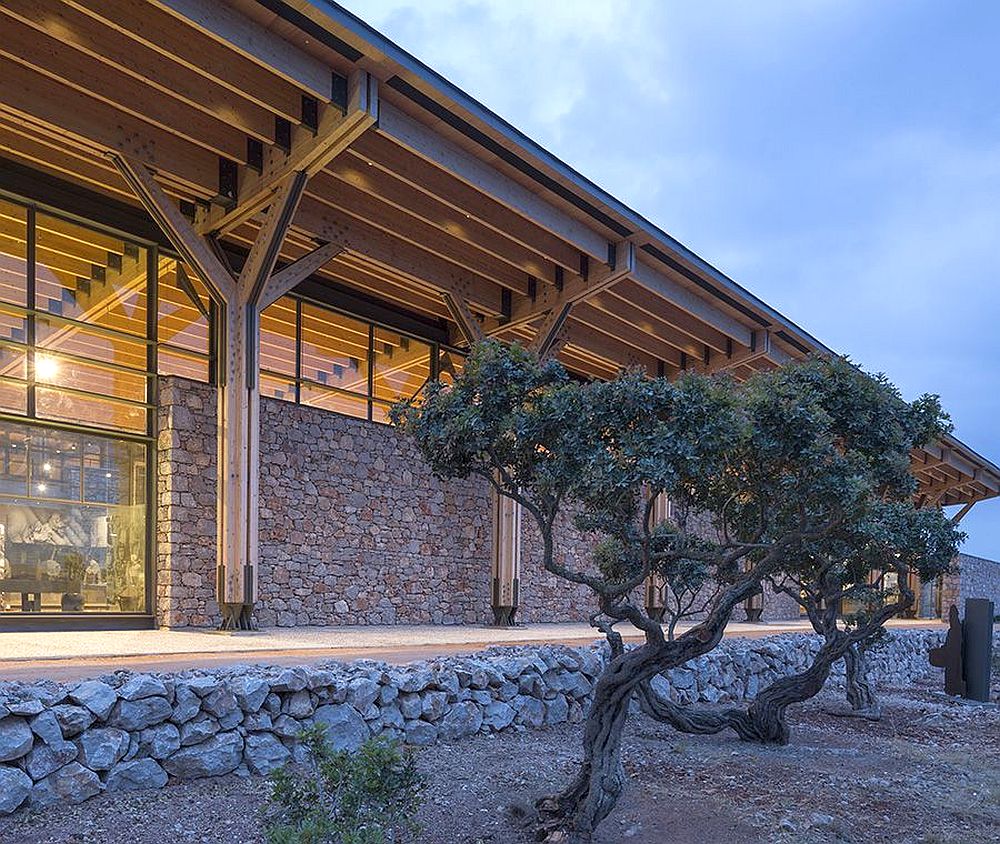
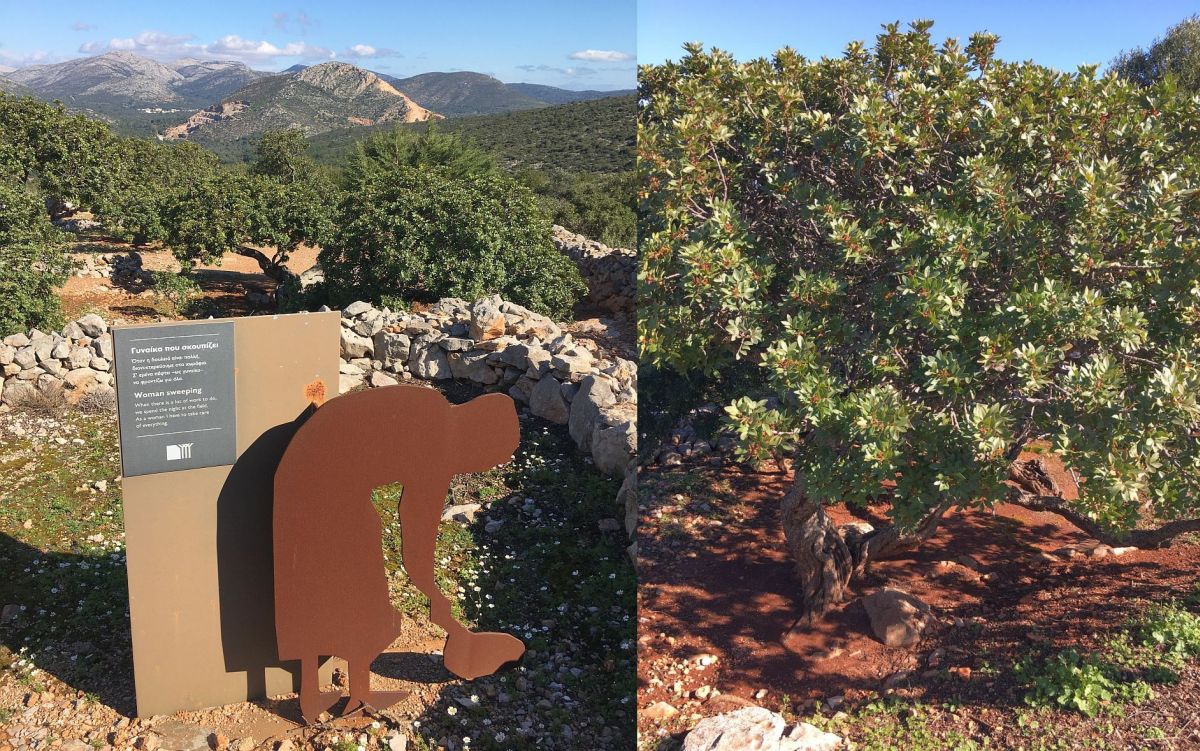
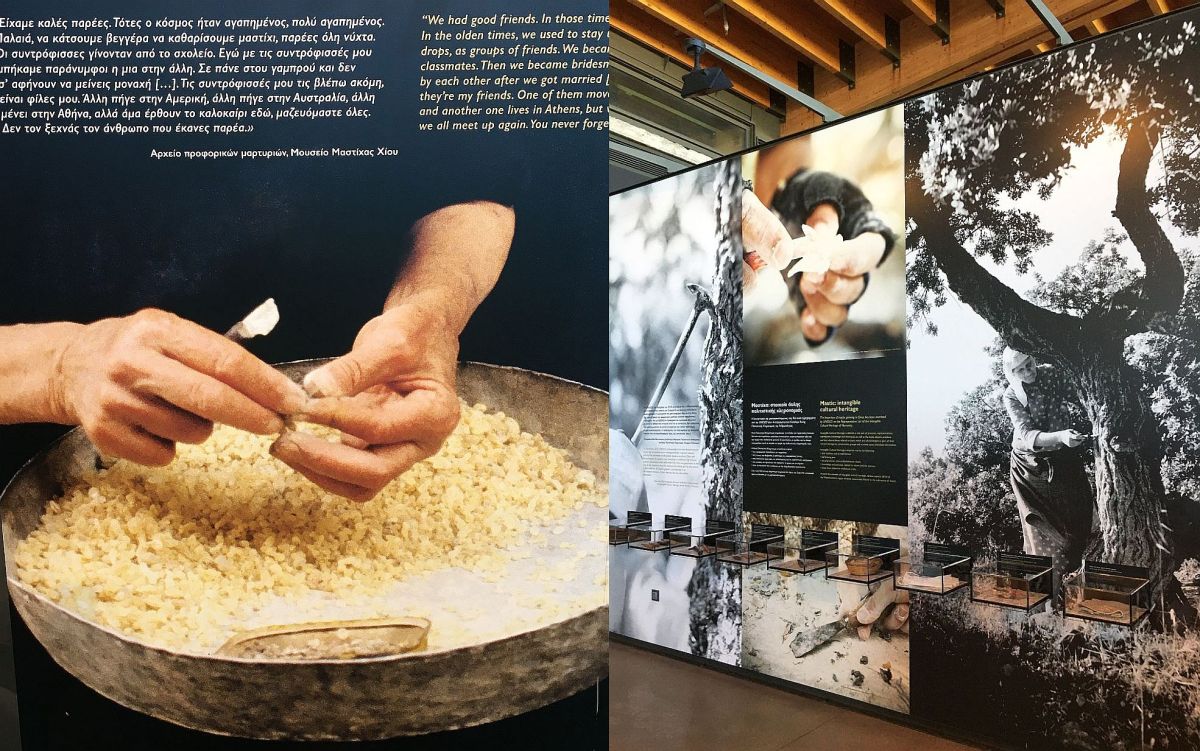
La 5 kilometri de Mavra Volia este Muzeul Masticului, asezat in centrul regiunii Mastichochoria. singura parte a Mediteranei unde se cultivă arborii din soiul Pistacia lentiscus var Chia, din care se produce masticul. Clădirea moderna a muzeului imbina ingenios lemnul, sticla si piatra, si este înconjurată de o plantatie de arbori de mastic, fiind o adevărată bijuterie arhitecturală în perfectă armonie cu mediul natural și cu împrejurimile. Interiorul muzeului dezvăluie secretele cultivării masticului devenit componenta culturala, ca mod de viață complet, caracteristic acestei mici părți a lumii. Meșteșugul cultivării masticului din Chios a fost înscris în Lista Reprezentativă a Patrimoniului Cultural Imaterial al Umanității de către UNESCO în 2014, iar Chios este cunoscuta drept “insula masticului”.
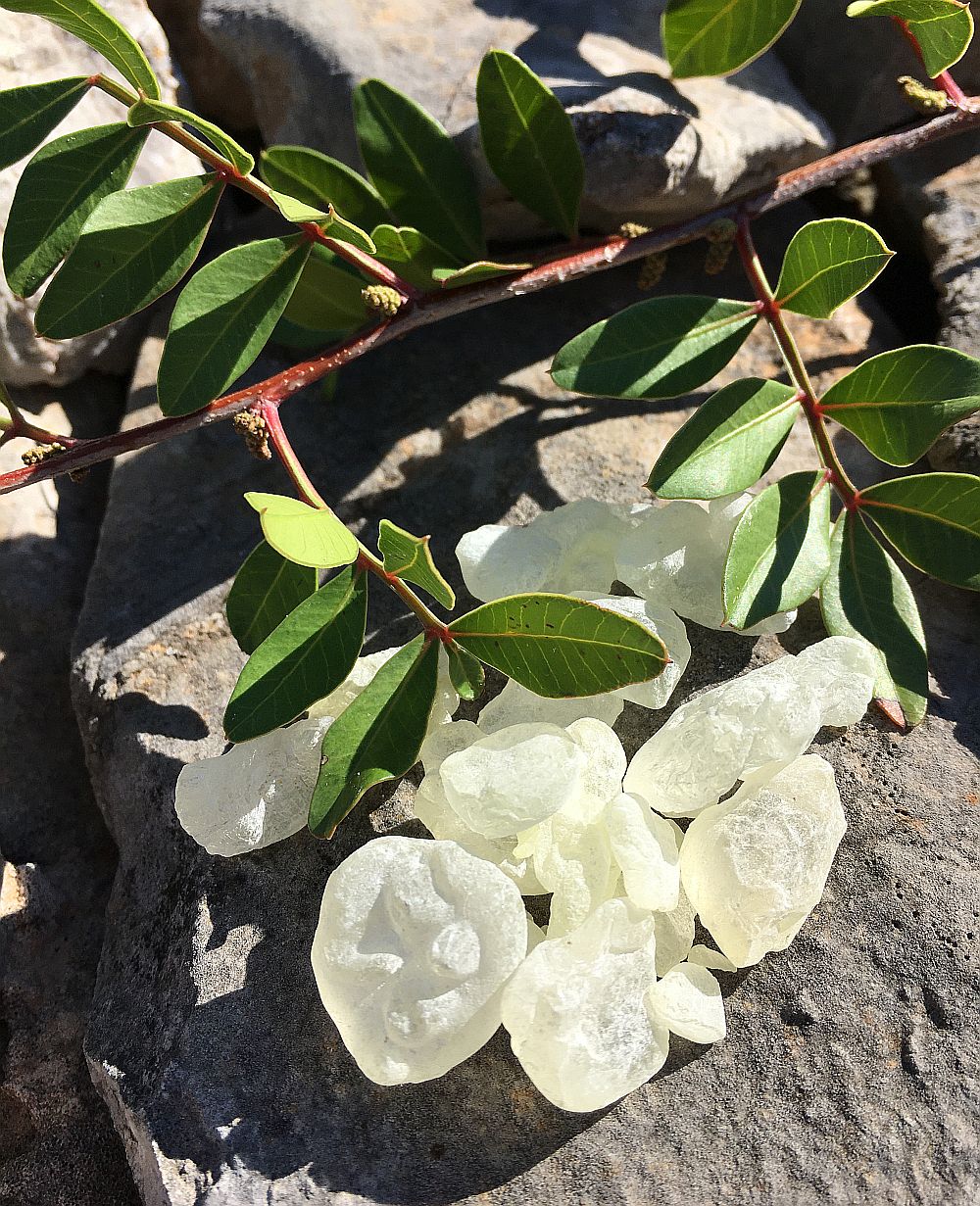
Bucatele de mastica, o rășină naturală produsă de arborele de mastic, recoltata prin mici incizii facute in tulpina acestuia
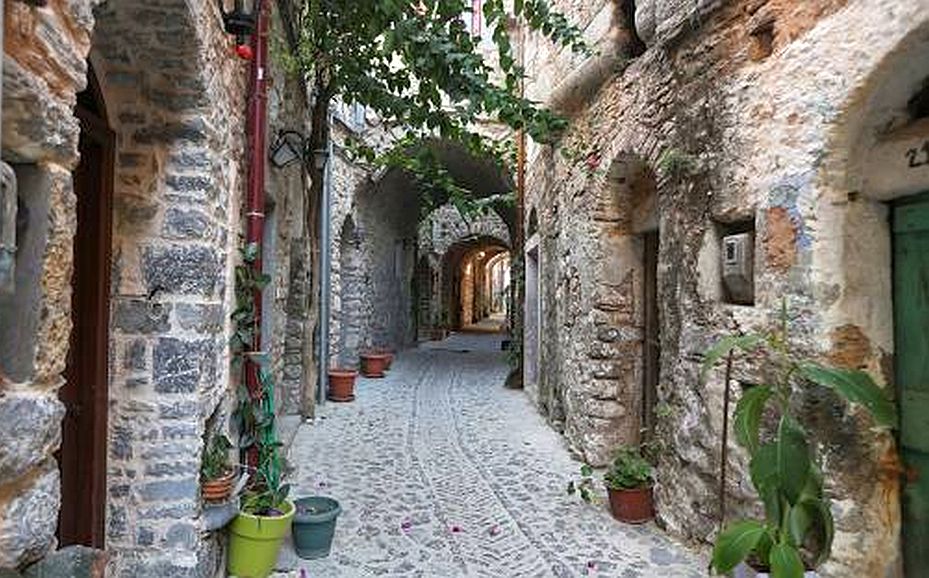
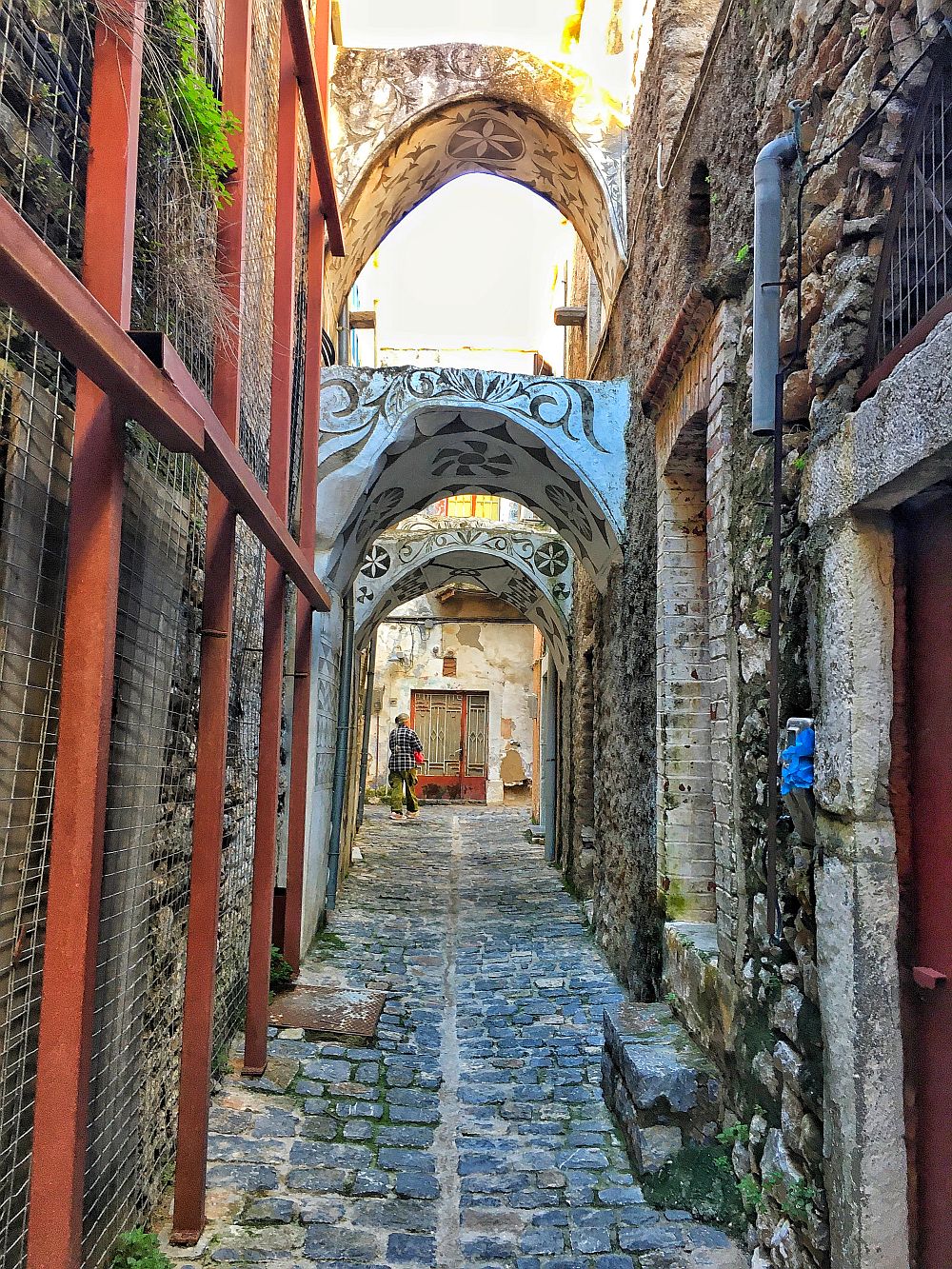
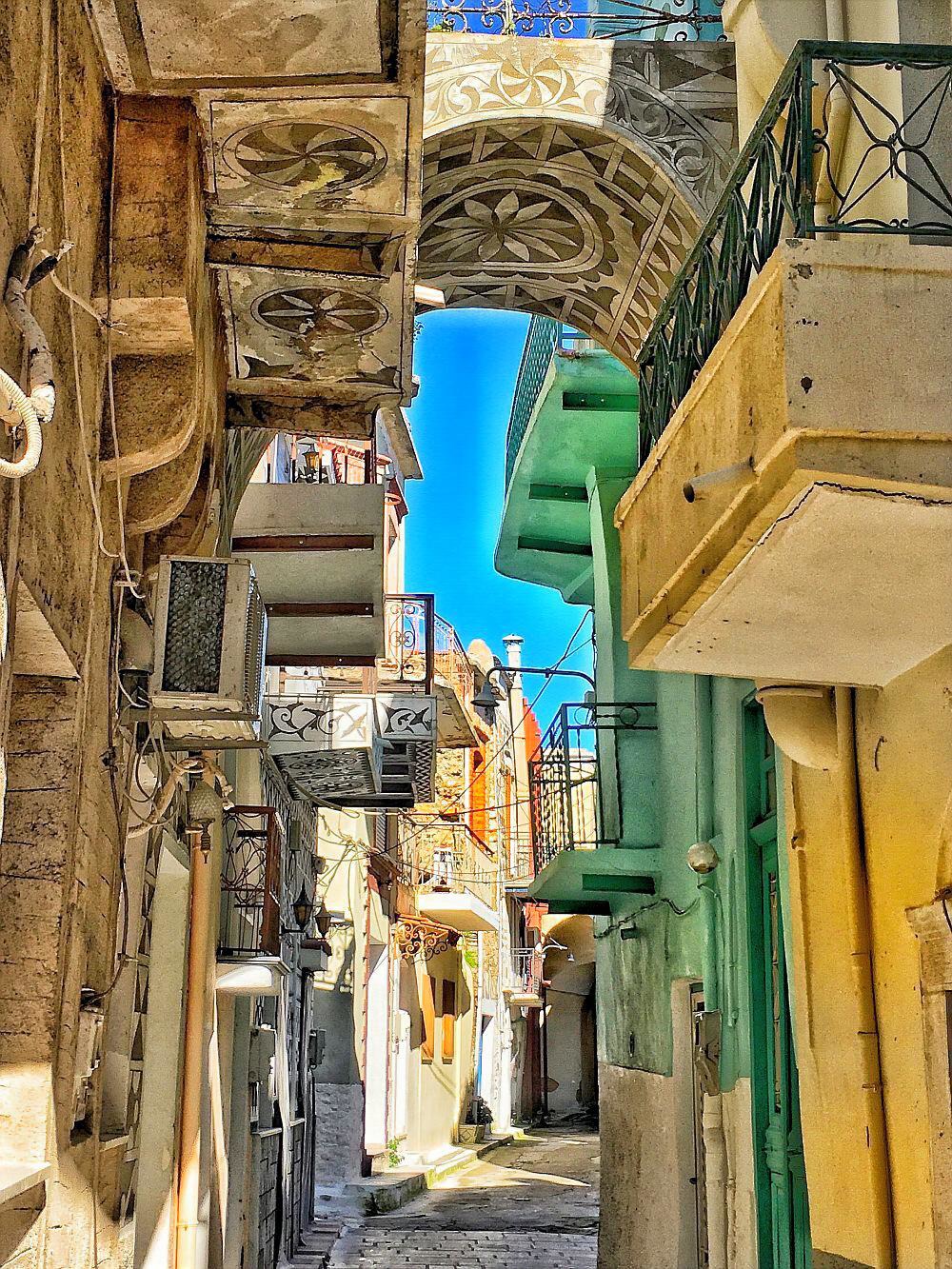
Mesta este cel mai bine conservat sat medieval al insulei, cu statut de monument cultural protejat. Arhitectural, provine din epoca genoveză, fiind construit sub forma unui castel. Micile căsuțe din piatră, asezate una lângă alta, formează un zid defensiv exterior puternic, iar in interior sunt presarate de-a lungul unor stradute serpuite si inguste, unite din loc in loc prin arcade.
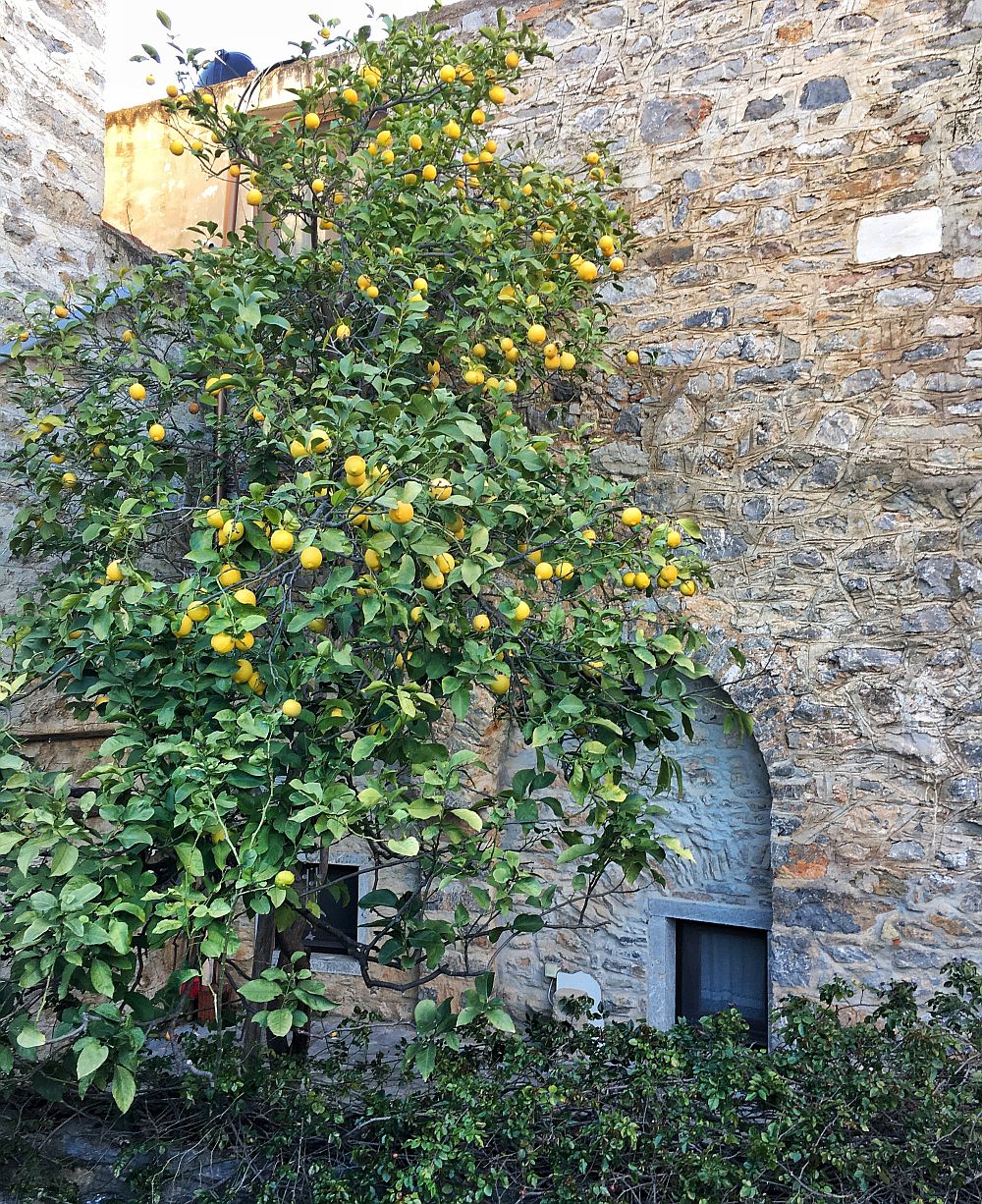
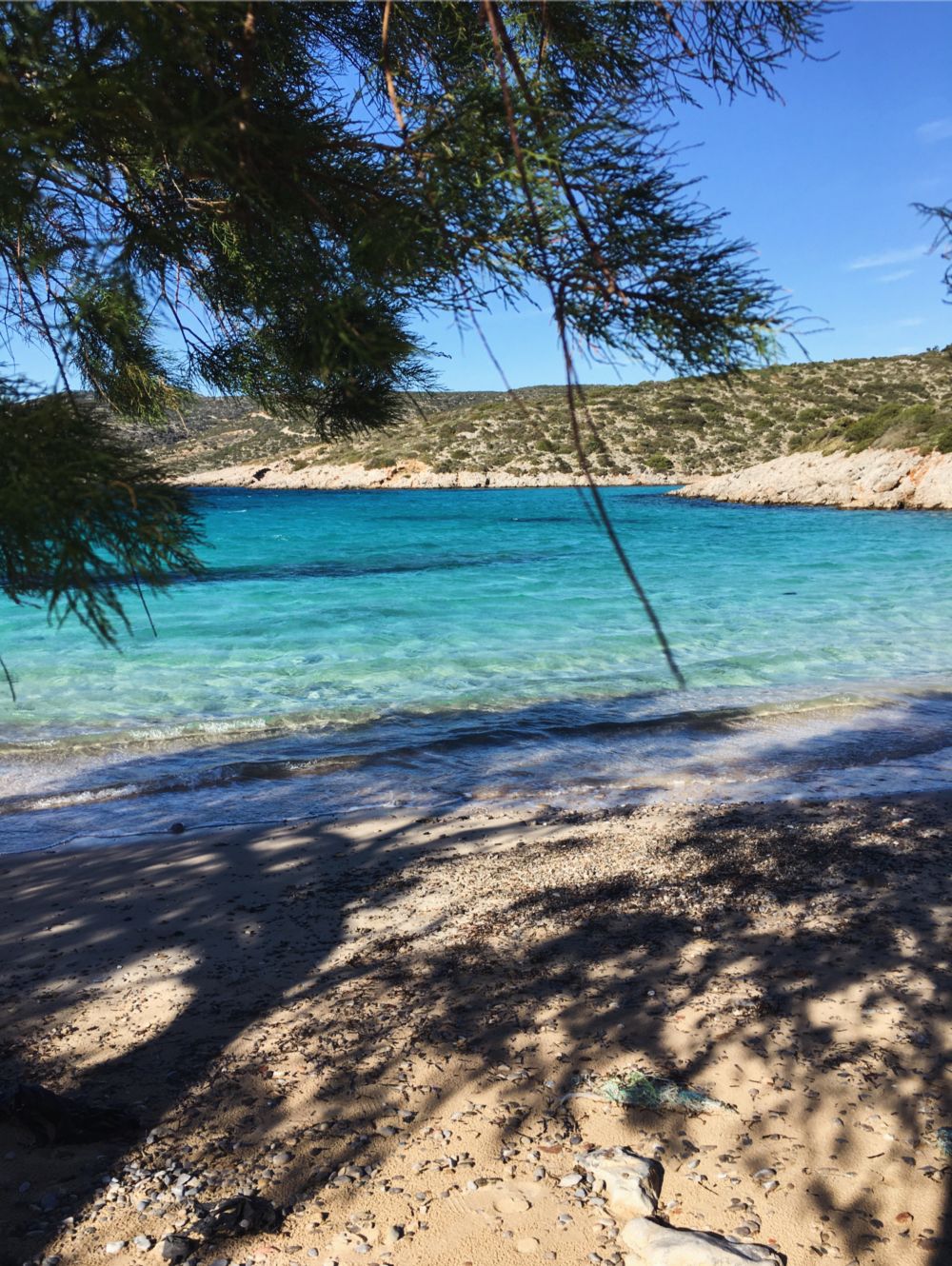
Tot in partea de sud este si Olympoi, un alt sat medieval asemanator cu Mesta, viu colorat, in apropierea caruia am gasit Agia Dynami, o plaja cu ape limpezi de smarald, care m-a cucerit de la prima vedere.
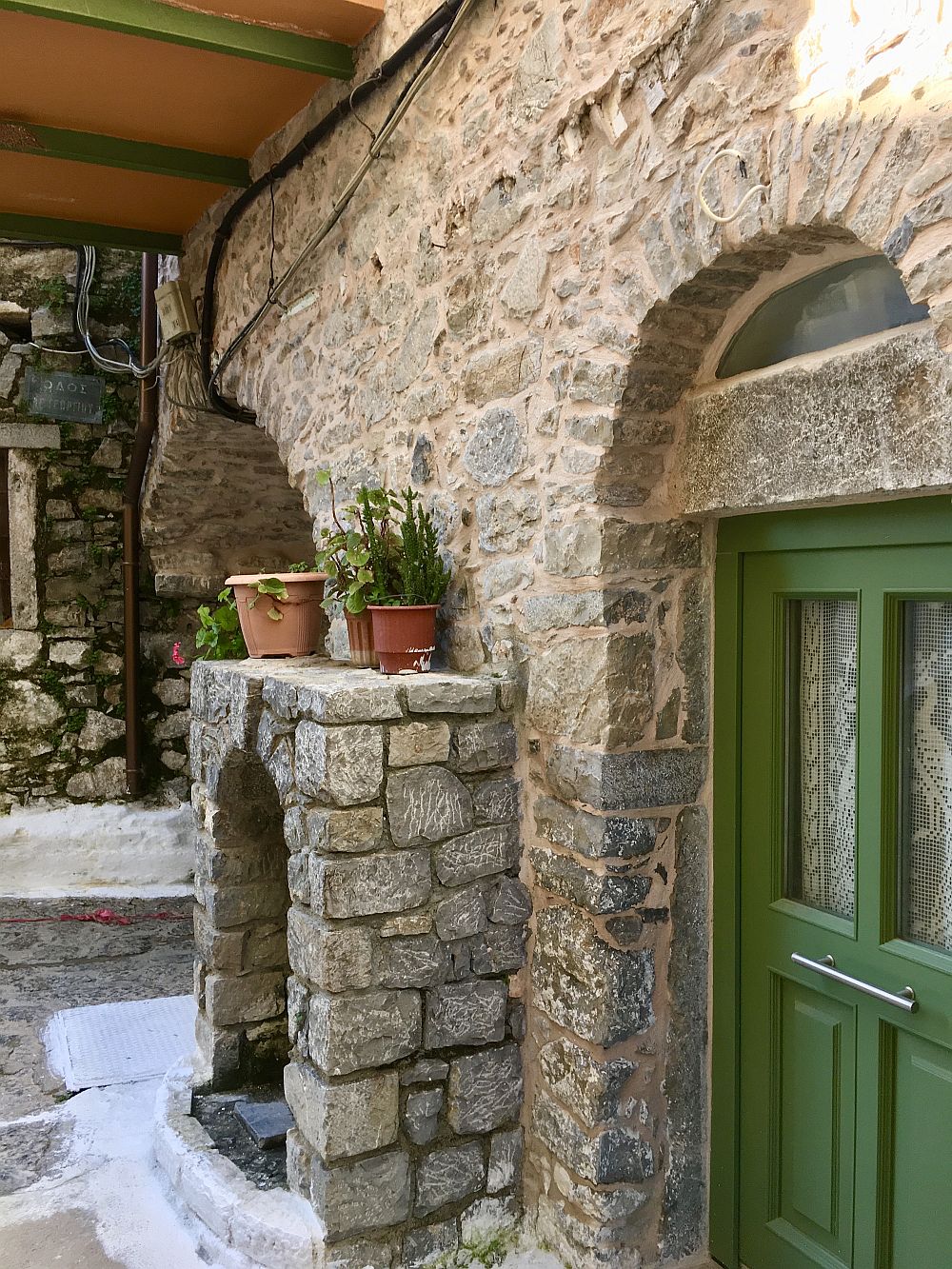
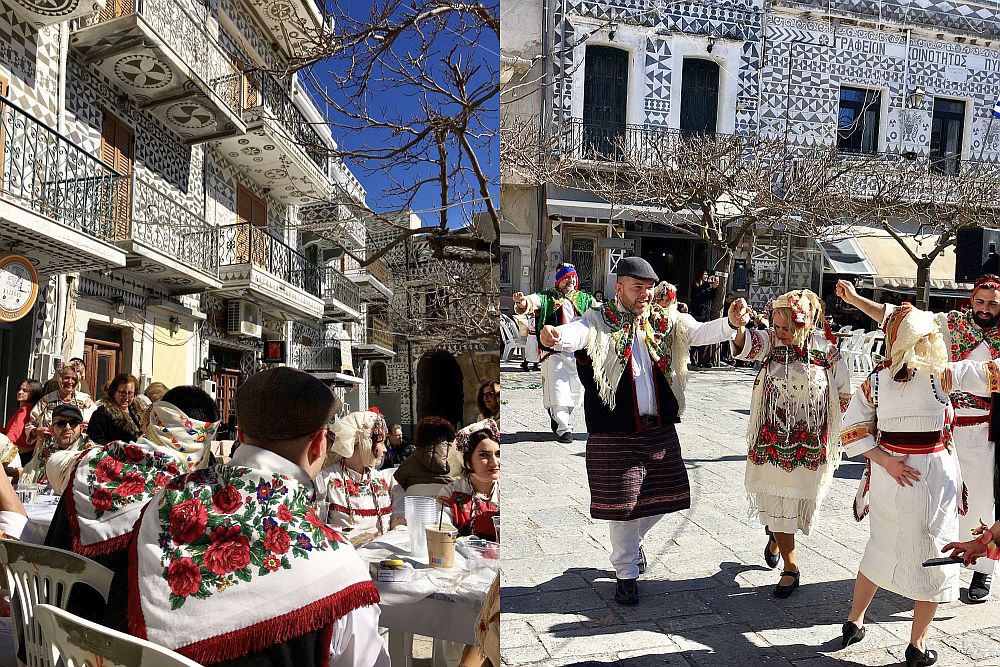
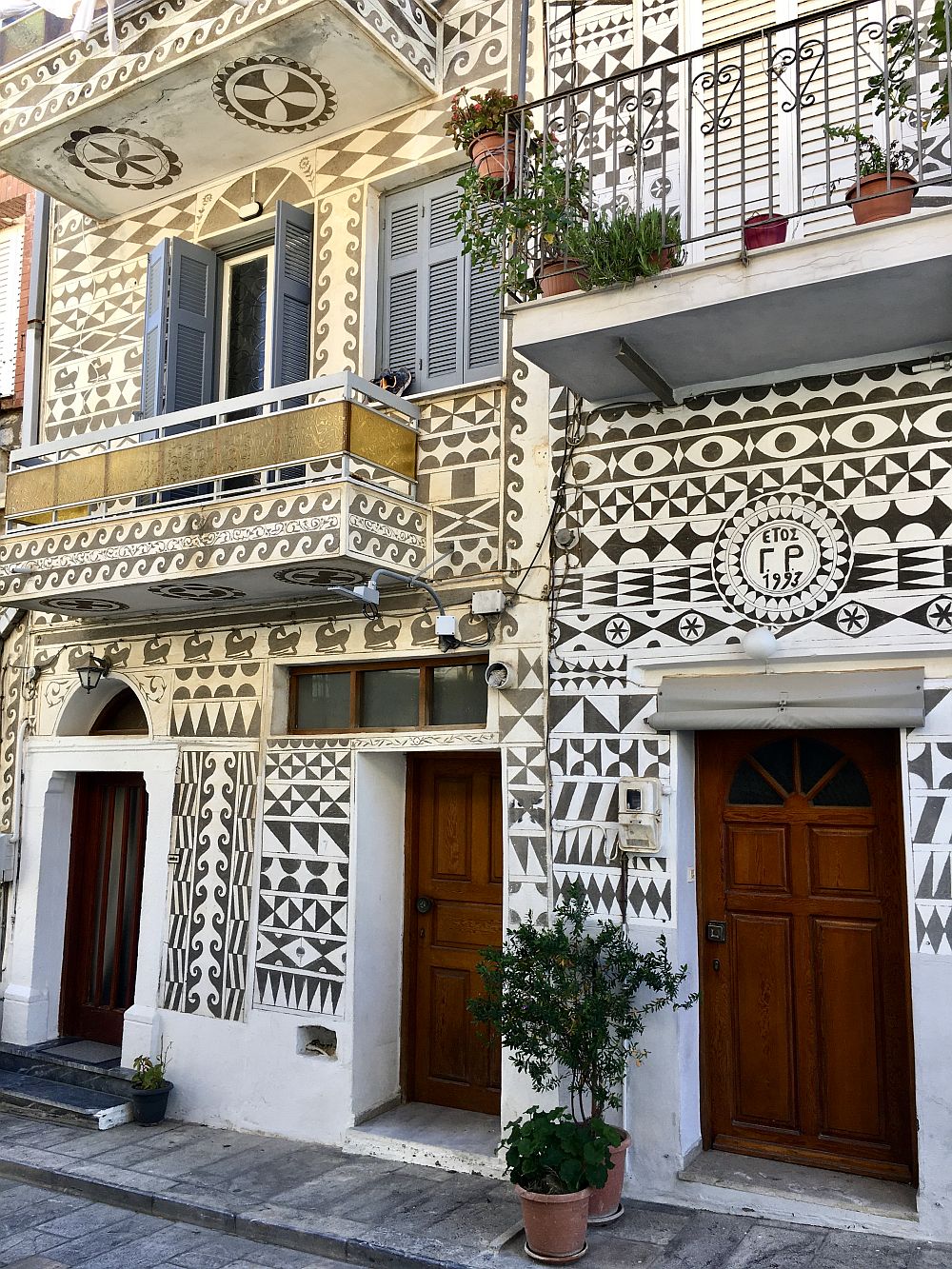
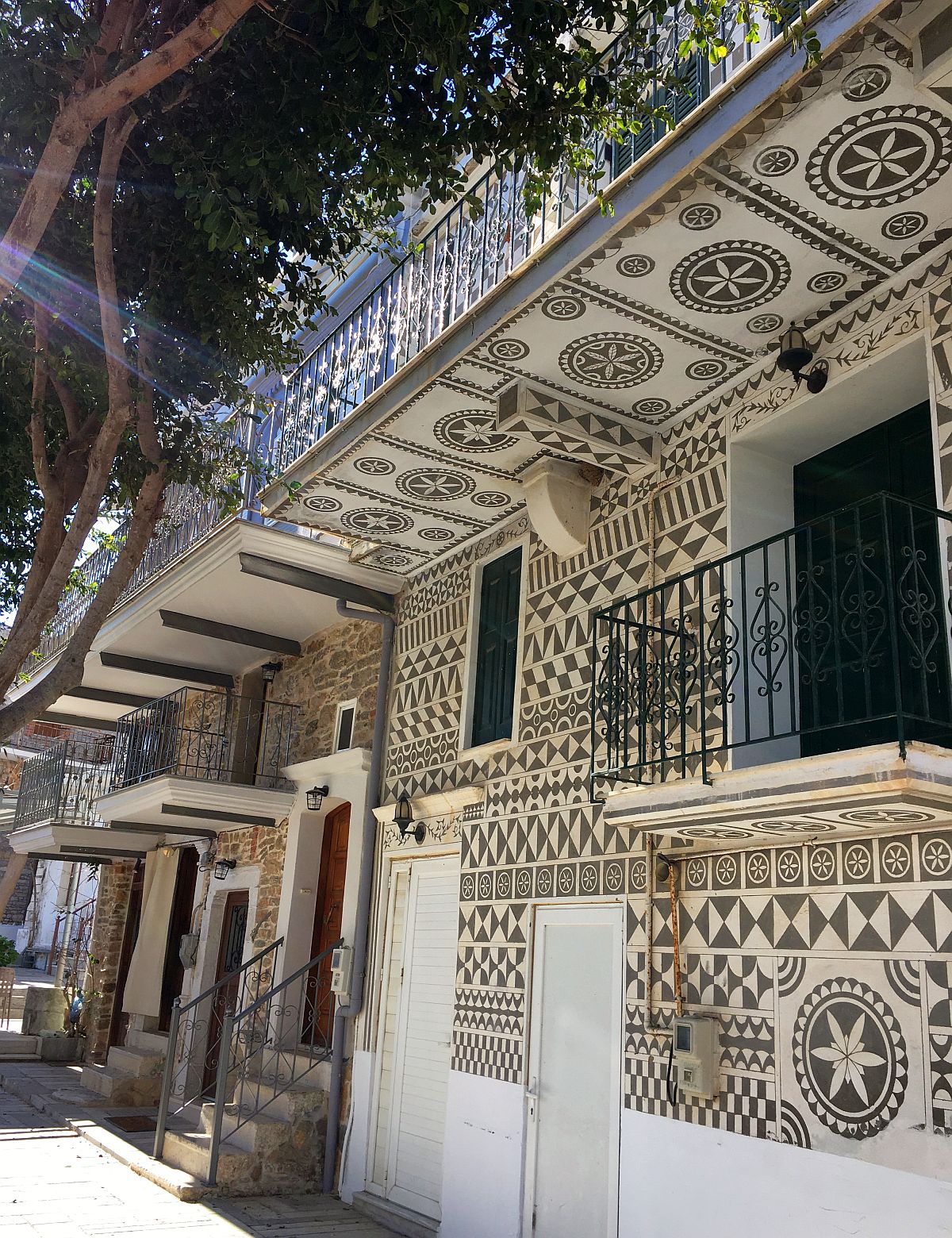
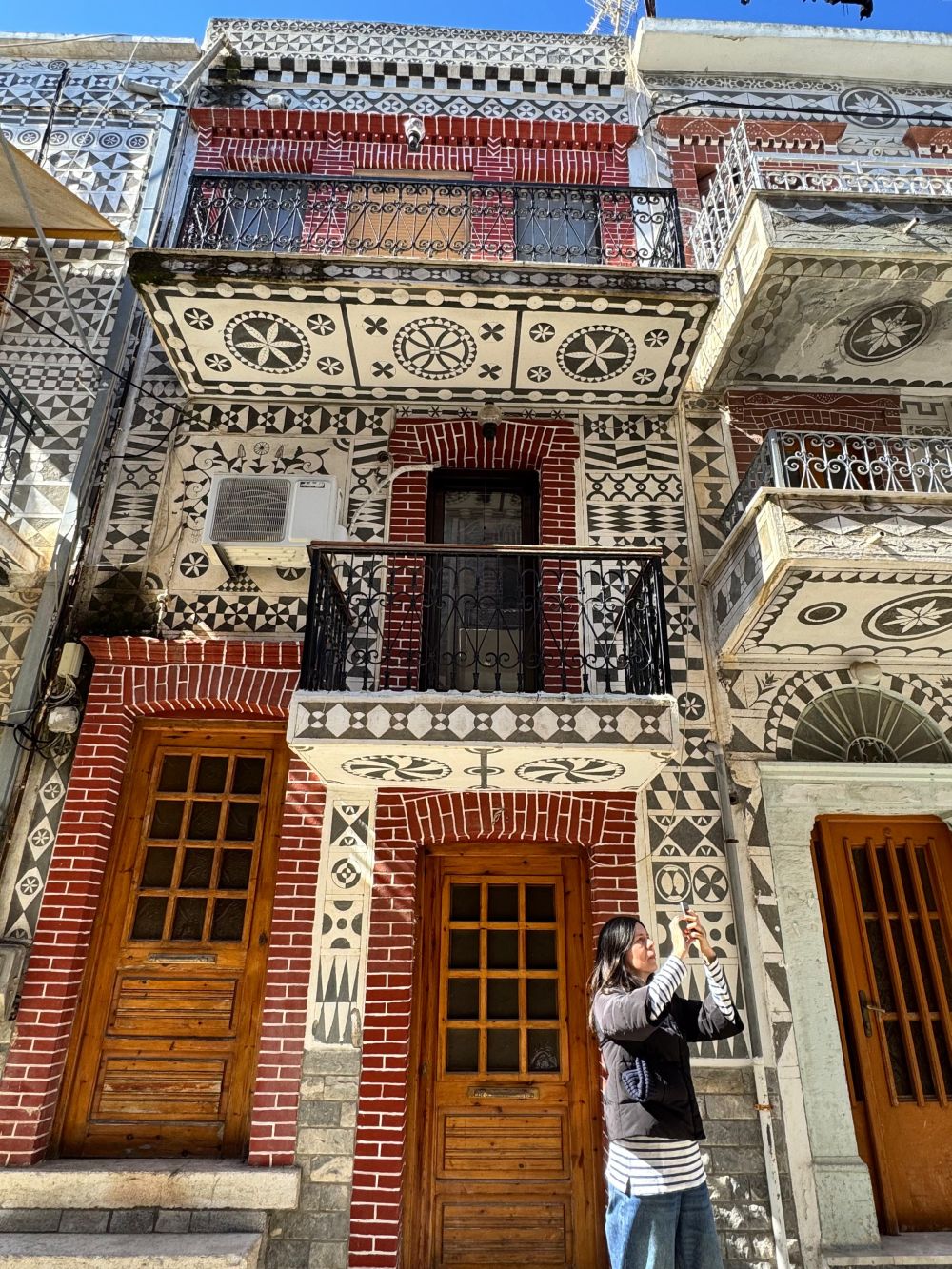
Am lasat la final Pyrgi, cel mai Instagramabil sat al insulei, unde am ajuns in “lunea curata”, prima zi a postului Pastelui, sarbatorita de localnici in piata mare a satului prin cantece, dansuri si bucate traditionale. Supranumit “satul pictat”, Pyrgi are origini medievale genoveze si case decorate in alb si negru cu motive geometrice prin “xysta”, un stil unic bazat pe o tehnica traditionala. Plimbarea prin sat devine o placere amplificata la fiecare pas de frumusetea caselor si un indemn la relaxare, liniste si savurarea unei cafele la una dintre micutele cafenele presarate pe stradute.
Mai multe detalii despre ce ofera insula, ce poti face in Chios, unde te poti caza, cum calatoresti si multe alte informatii utile sunt pe Chios Official Tourist Guide.
English version text:
Chios is one of the lesser-known islands in the Greek archipelago, mountainous but with lots of vegetation, with medieval villages that preserve traditions and flavors between their stone walls that you discover walking along the narrow streets heading towards the small cafes or taverns that tempt you with local flavors, or going down to the sea, to one of the 90 beaches that surround the entire island.
Located in the northeastern part of the Aegean Sea, Chios is the 5th largest island in Greece (842 square kilometers) and has all the natural assets to offer picturesque landscapes and unique experiences to those who dare to get out of the pleasant laziness of the beaches and the turquoise breeze and start exploring the island far and wide. I discovered magnificent places, which I will reveal to you further, but what impressed me more than what I saw, tasted, enjoyed and heard, was the goodwill and kindness of the people: whether it was the mayor of the island or of the village, whether it was a driver, a small merchant or the owner of a tavern, the one who made the coffee or the traditional pasta, a chef or a fisherman. What I felt everywhere was a native, authentic kindness, not distorted by the cult of tourist hospitality (necessary and important, yes). I think it is a form of purity that starts from the way of being of the locals and is transmitted everywhere around.
Avgonyma, the medieval stone village where I stayed during my Chios visit, is located in the central part of the island, a perfect position for exploring north or south. Picturesque, quiet, discreet, it is known for its cubic stone houses, narrow alleys and stone-paved square. The view from the village is spectacular, because from the west you can see the Aegean Sea, and from the east the pine forest. Just ten minutes by car from the village, you will find Elinda beach, with crystal clear water. You can stay in the bungalows or traditional apartments in the village and eat local dishes at the restaurants there.
6 kilometers north of Avgonyma is the ghostly Anavatos, a historical site, ruins of a medieval fortress village, built in the late Byzantine period and then consolidated by the Genoese, on a steep cliff, with only one access road, from the north. The view will reward you for the effort to get there, and the eerie silence that the wind blows through seems to bring whispers of the sadness of the massacre of 1822, when many locals took refuge in the fortress. Although Anavatos is essentially a ghost village, a few people have restored family homes, especially in the lower area of the village, so in the summer and on weekends, the village kafeneio is open and serves homemade pastries and local dishes.
Continuing north, we reach Pityos, a mountain village with 49 inhabitants and 17 churches, where there is a renovated medieval tower that can be visited, houses with small painted wooden doors, a house where Homer supposedly lived, a small museum with traditional tools for obtaining olive oil, but also a few taverns that offer delicious dishes based on traditional pasta and other flavors, plus some memorable local wines. We enjoyed selected dishes and recipes at a gastronomic workshop held by the nice Evi Katsioni, who cooks sensationally good and well.
The landscape changes completely on the northeastern shore, at Lagada, a fishing village with a long maritime tradition, known for its restaurants with fish and seafood dishes in the small bay. It is a perfect combination of mountain and sea, and the pine forests that surround it descend to the seashore, adding a touch of picturesqueness and color. Lagada is an excellent choice for a day of gastronomic and visual indulgence, which we thoroughly enjoyed at the O-Passas tavern on the seafront, owned by the family of the same name for several generations, starting in 1952.
The village of Thymiana hosts the annual “Mostra Carnival”, with parades, masquerades and traditional dances, marking the start of the Easter fast. We arrived here on Sunday, February 22, the last day of the carnival, in time to see the reenactment of a legendary battle between locals and pirates, which preceded a fabulous parade with allegorical floats, colorful costumes and spectacular props that satirized aspects of everyday life, including the administrative-political area of Greece. Cold, wind, scorching sun, crowds of tourists and locals, but lots of joy and good cheer maintained with plenty of ouzo and mastic.
Going south, on the eastern shore of the island, near the small port of Emporios, is Mavra Volia beach (translated as “black glass”), probably the most famous beach in Chios. The black stones, the result of volcanic activity in ancient times, the high cliffs hit by the intense blue waves form an impressive landscape.
5 kilometers from Mavra Volia is the Mastic Museum, located in the center of the Mastichochoria region, the only part of the Mediterranean where the trees of the Pistacia lentiscus var Chia variety are cultivated, from which mastic is produced. The modern building of the museum ingeniously combines wood, glass and stone, and is surrounded by a plantation of mastic trees, being a true architectural jewel in perfect harmony with the natural environment and the surroundings. The interior of the museum reveals the secrets of mastic cultivation, which has become a cultural component, as a complete way of life, characteristic of this small part of the world. The craft of mastic cultivation in Chios was inscribed on the Representative List of the Intangible Cultural Heritage of Humanity by UNESCO in 2014, and Chios is also known as the “island of mastic”.
Mesta is the best preserved medieval village of the island, with the status of a protected cultural monument. Architecturally, it comes from the Genoese era, being built in the form of a castle. The small stone houses, placed side by side, form a strong outer defensive wall, and inside they are scattered along winding and narrow streets, connected in places by arches.
Also in the south is Olympoi, another medieval village similar to Mesta, brightly colored, near which I found Agia Dynami, a beach with clear emerald waters, which won me over at first sight.
Lastt but not least, Pyrgi, the most Instagrammable village on the island, where we arrived on “Clean Monday”, the first day of the Easter fast, celebrated by locals in the village’s large square with songs, dances and traditional dishes. Nicknamed “the painted village”, Pyrgi has medieval Genoese origins and houses decorated in black and white with geometric motifs using “xysta”, a unique style based on a traditional technique. Walking through the village becomes a pleasure amplified at every step by the beauty of the houses and an urge to relax, calm and enjoy a coffee at one of the small cafes dotted along the streets.
More details about what the island offers, what you can do in Chios, where you can stay, how to travel and many other useful information are on the Chios Official Tourist Guide.
Photo credits: personal archive Ruxandra Chiurtu, Chios Official Tourist Guide, Wikipedia.