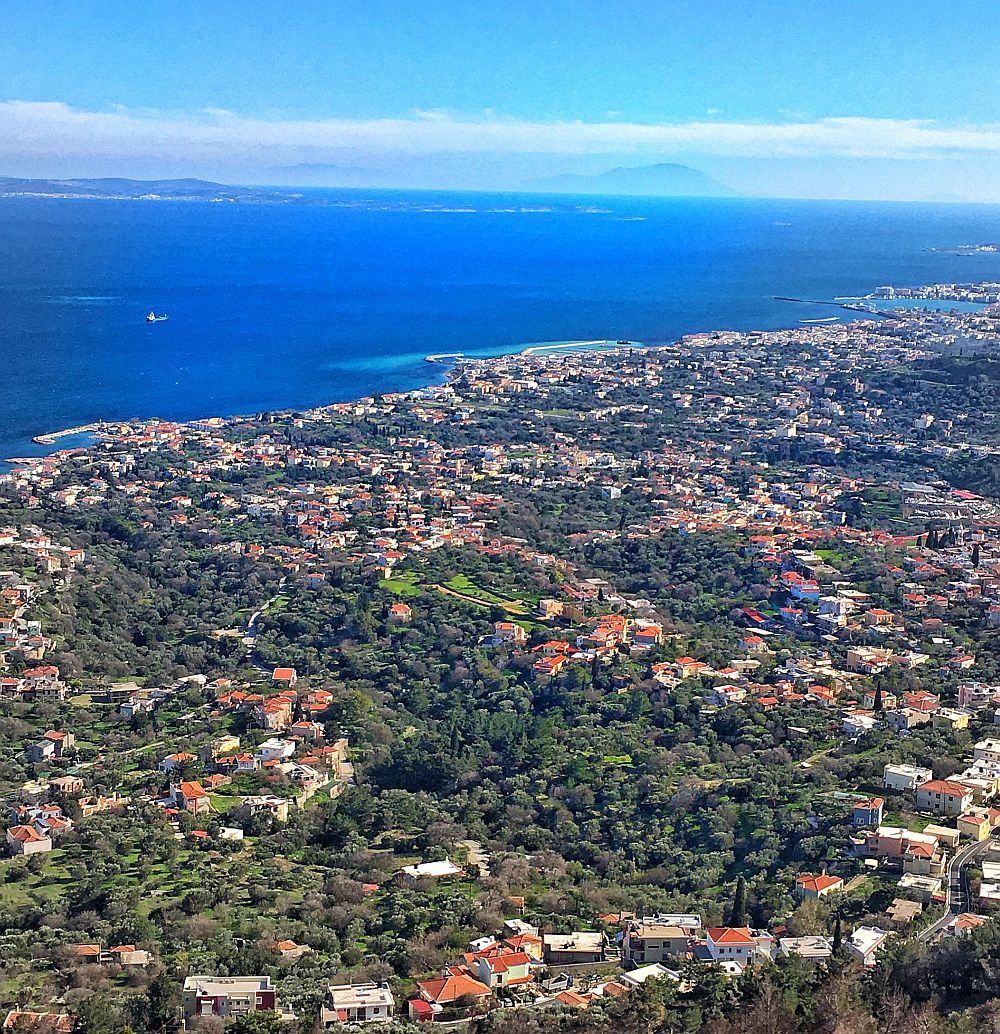
Orasul Chios, capitala insulei cu acelasi nume, port la Marea Egee, se mândrește cu o istorie vibrantă care îi validează arhitectura și moștenirea culturală, cel mai important reper fiind Castelul Chios, ale carui ziduri antice povestesc secole de influențe diverse care-au modelat valorile, tradițiile, arta și stilul de viață al localnicilor.
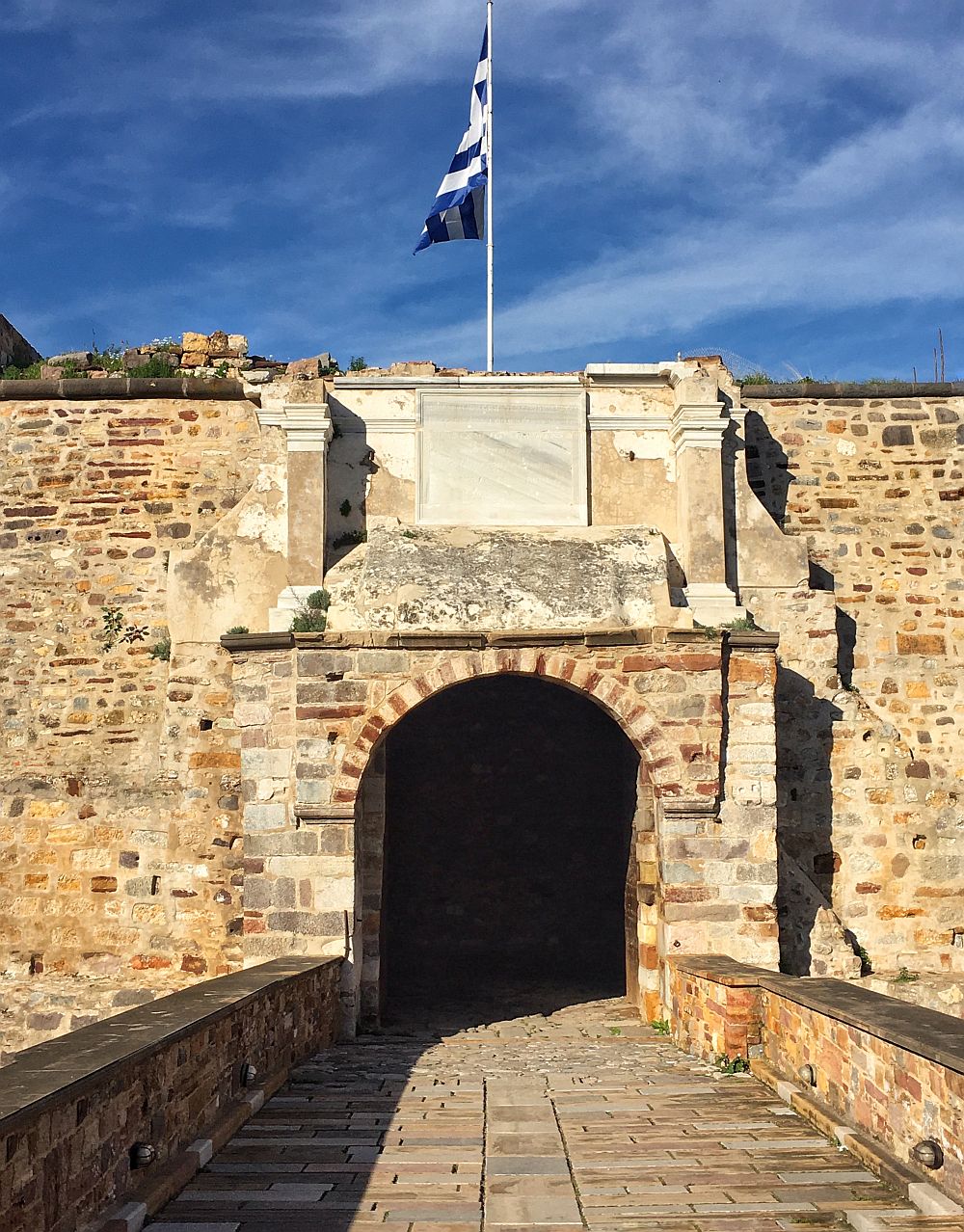
Castelul medieval datează din secolul al X-lea, din perioada bizantina, consolidat sub ocupatia genoveza si construit asa incat sa aiba legătură directă cu portul, reprezentand totodata centrul fortificat al orasului. Intrarea sa principală (Porta Maggiore), construită de venețieni în 1694, se află la capătul sudic iar zidurile, atât cele terestre, cât și cele maritime, formează un pentagon neregulat, cu bastioane impunatoare, dintre care opt sunt destul de bine conservate.
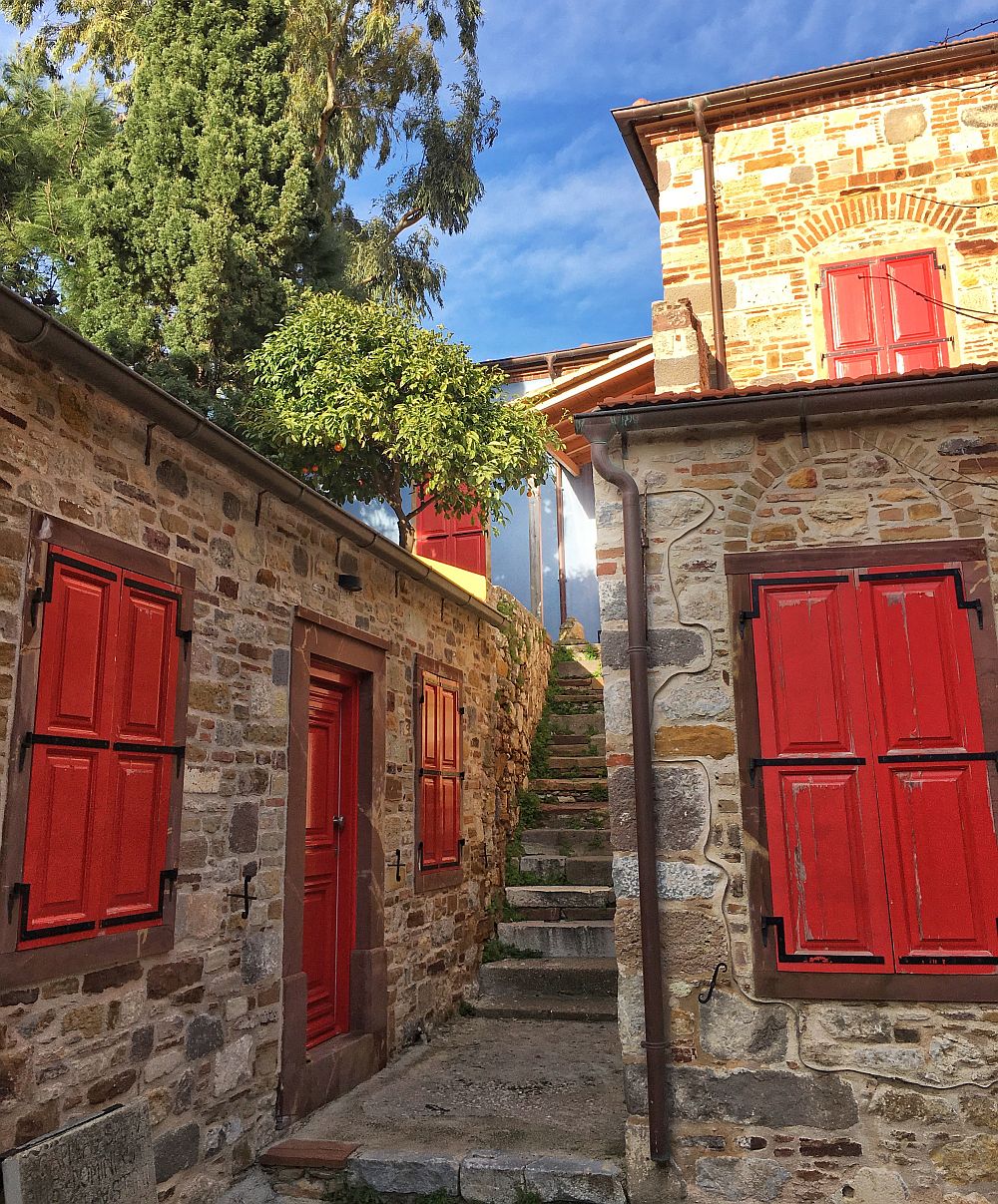
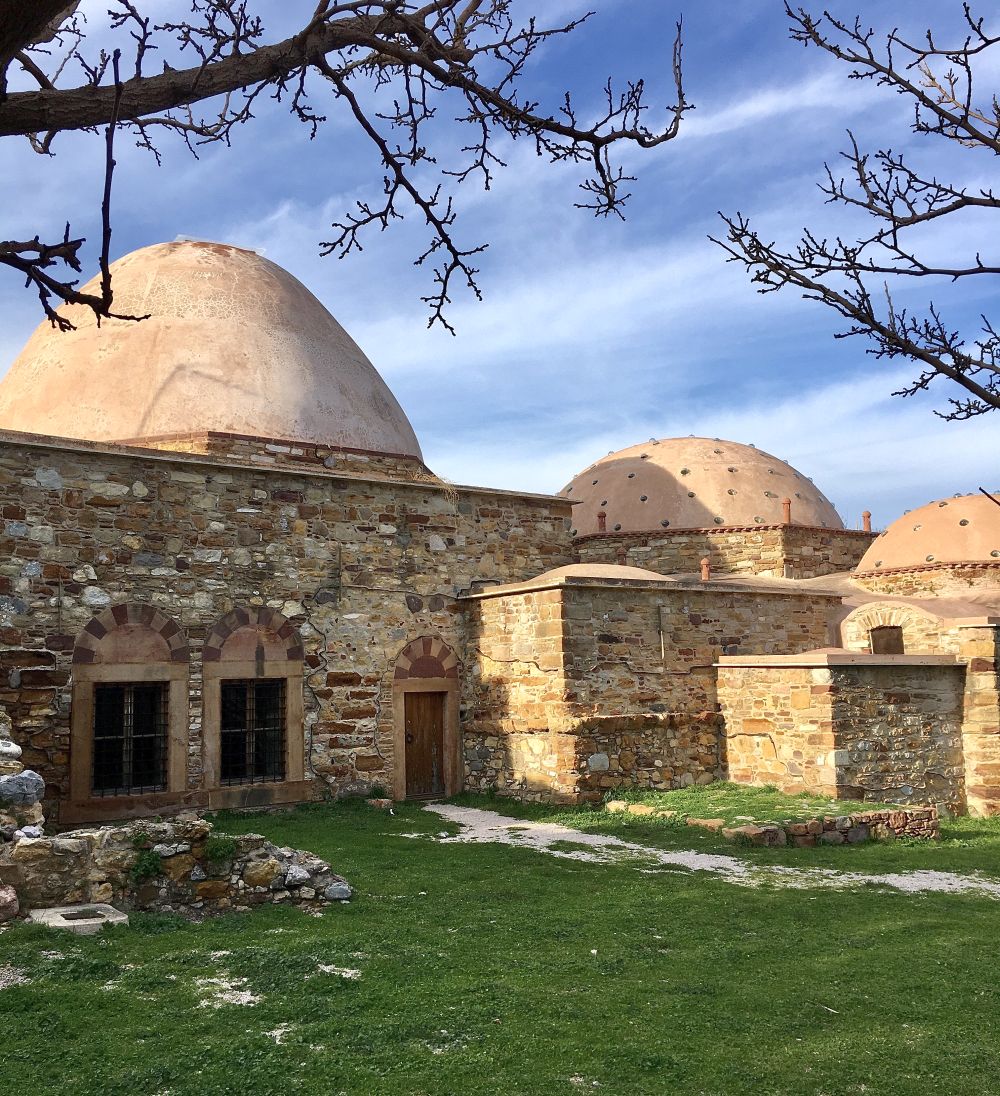
Castelul a fost locuit dintotdeauna, inclusiv acum, de aceea, pe străzile sale înguste, sunt clădiri din diferite epoci, care te poarta prin timp, ca o incursiune in istorie si mostenire cultural-arhitecturala traita si descoperita la fiecare pas.
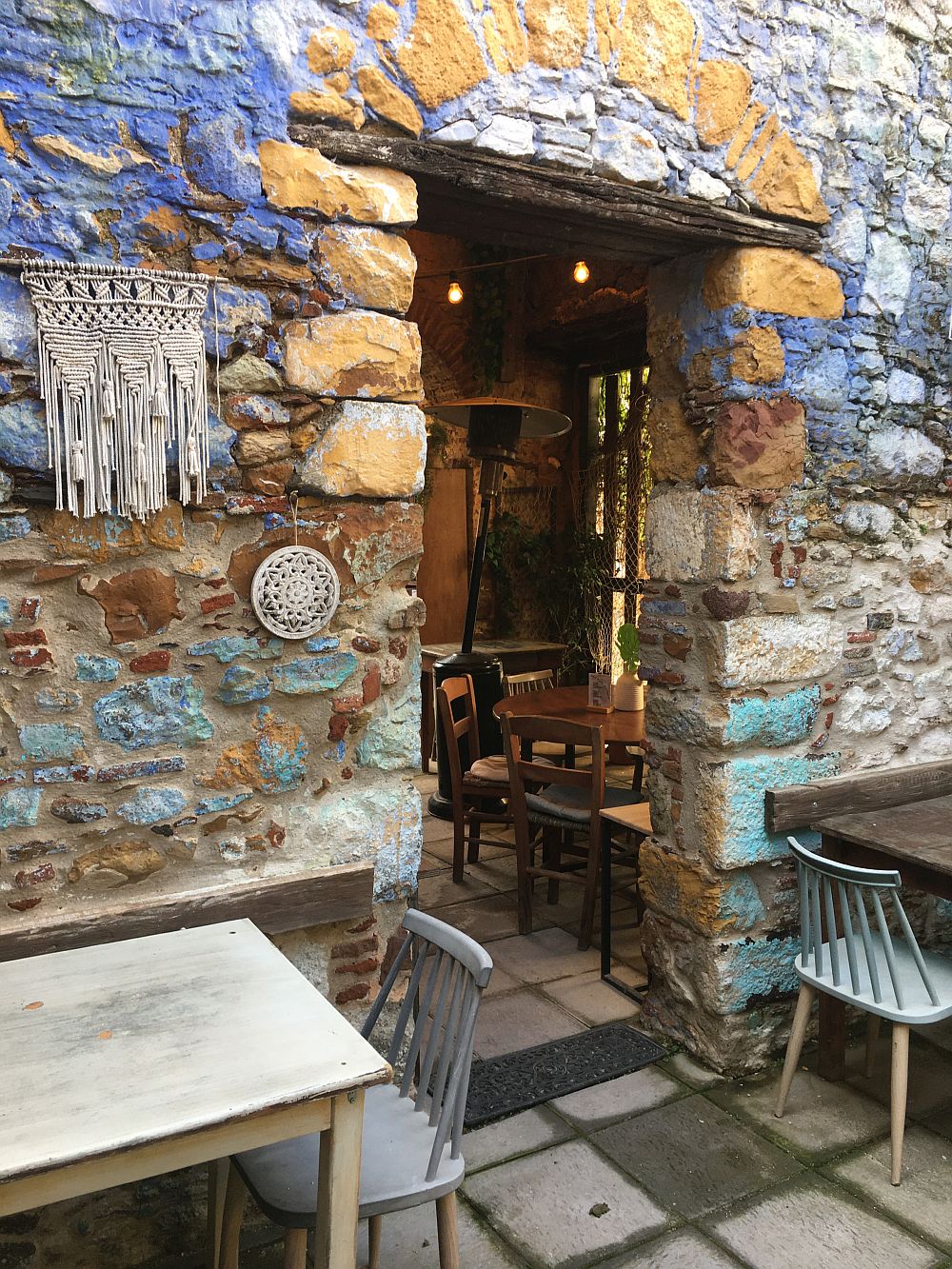
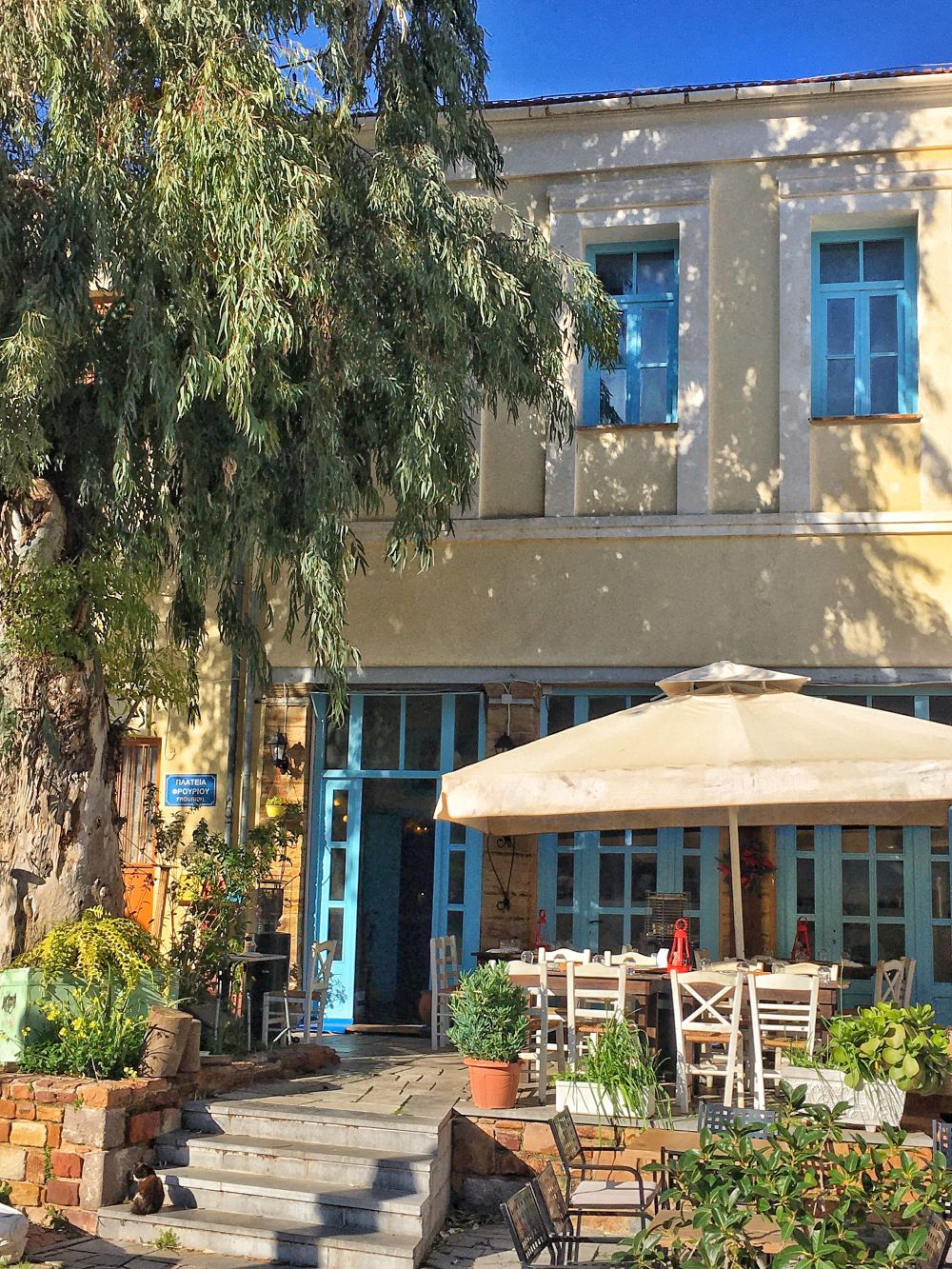
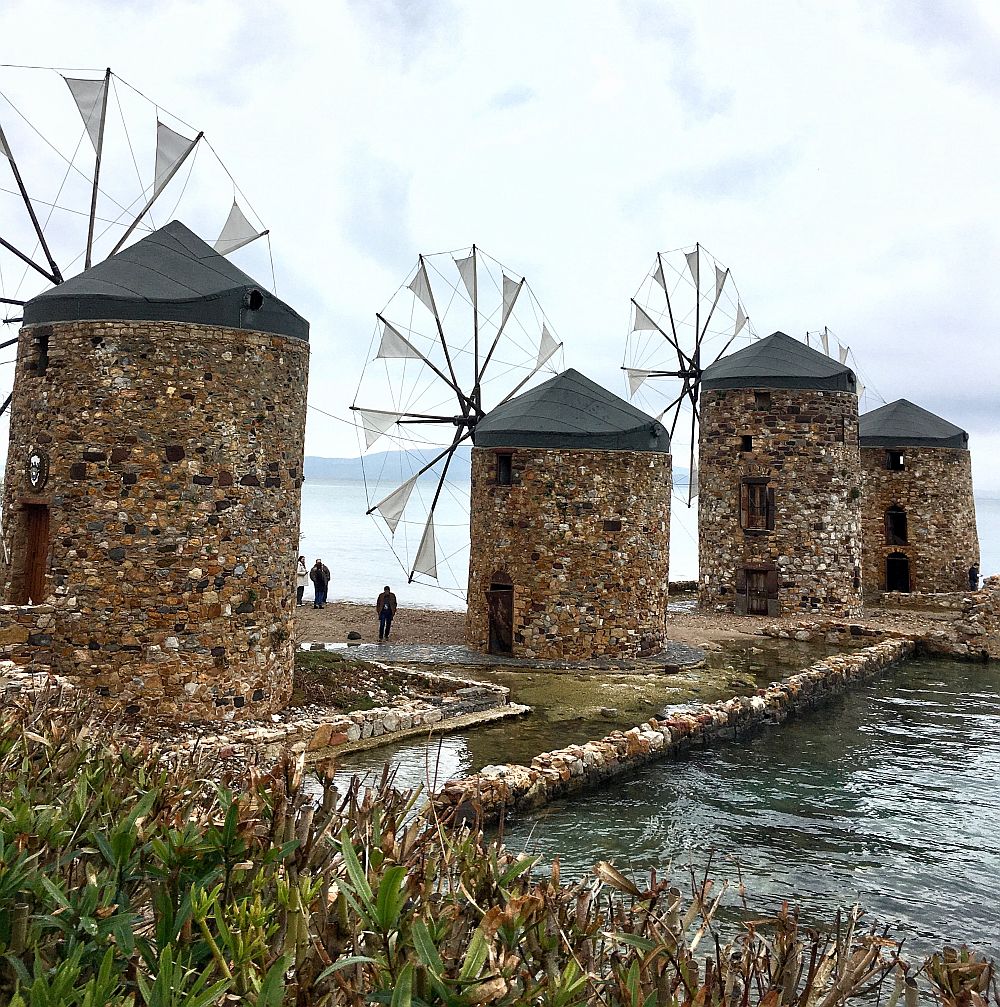
Cele patru mori de vânt tradiționale din Chios constituie unul dintre cele mai faimoase repere ale insulei, si sunt situate la 1,5 km nord de orașul Chios, în zona Tampakika. Asezate pe malul marii, construite din piatra la sfârșitul secolului al XIX-lea, acum complet restaurate, morile de vânt care au făcut cândva parte din trecutul industrial al insulei, ca mici ateliere de tăbăcire și prelucrare a pielii, sunt un loc foarte cinematografic pentru a admira apusul soarelui, gratie emoției și esteticii vizuale oferite.
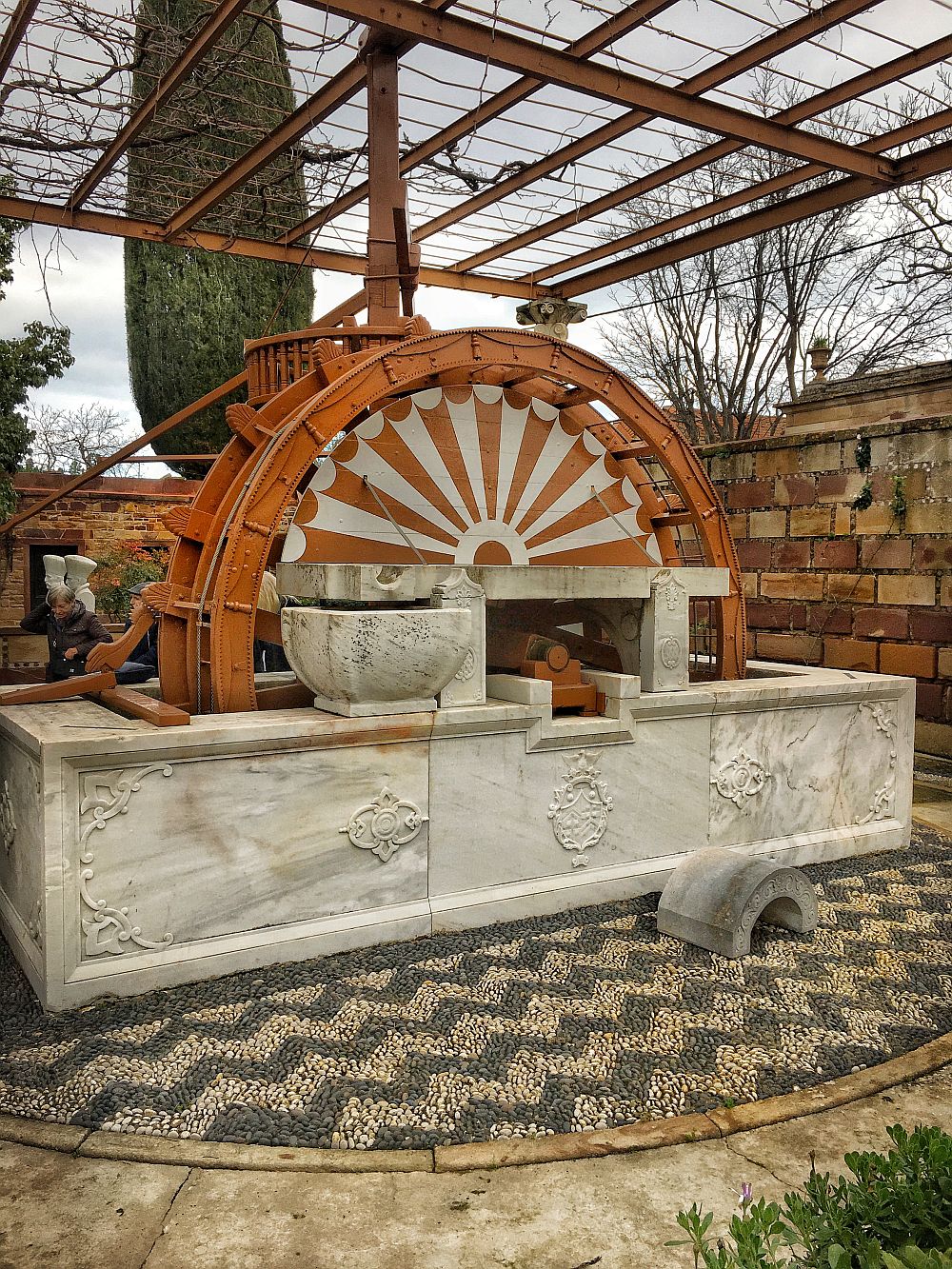
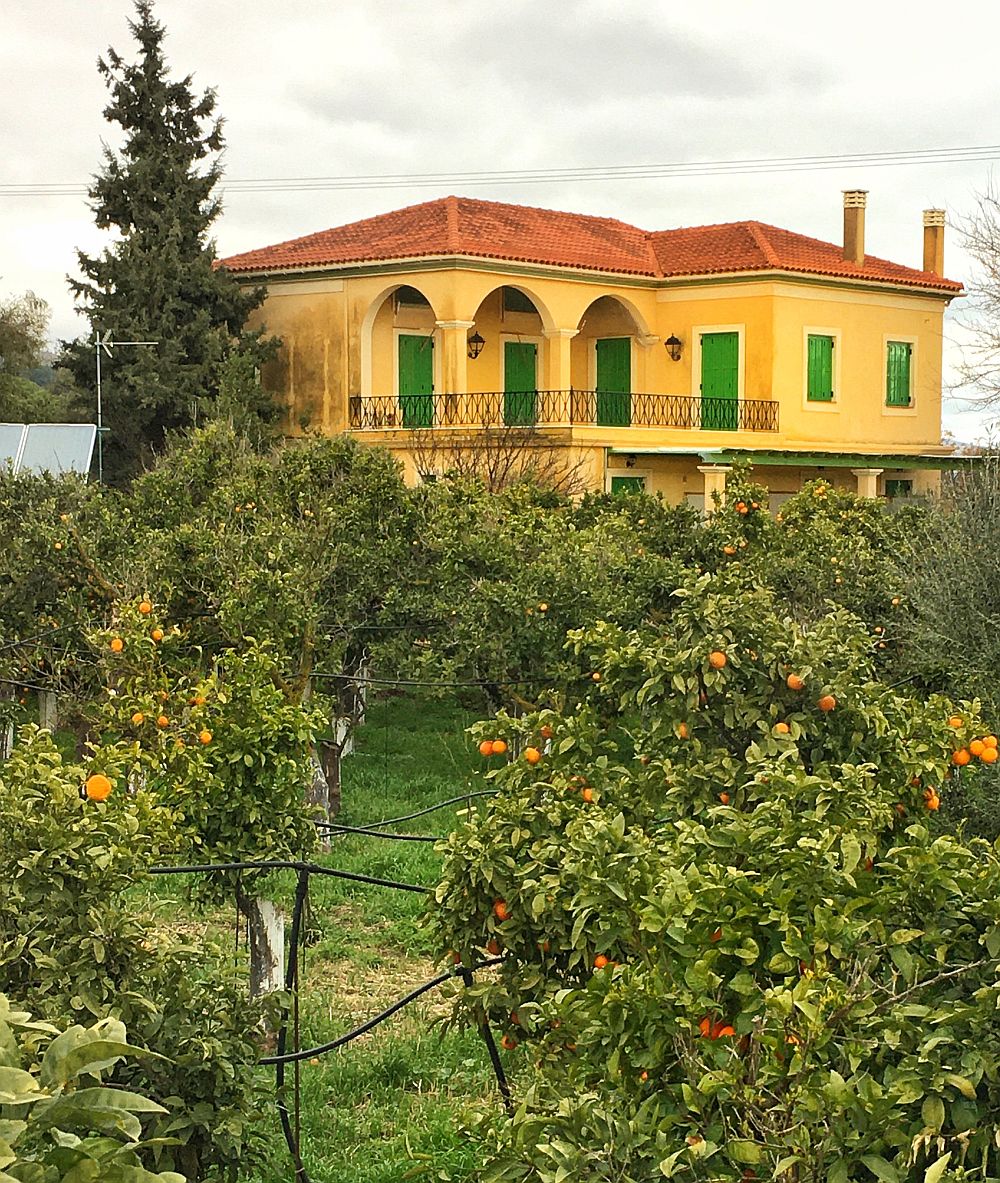
La 6 kilometri sud de orașul Chios se afla regiunea Kampos, una dintre cele mai cochete si eclectice zone din insula. Este un complex rezidențial unic, practic o livada uriasa de citrice unde aristocrația genoveză a început să-și construiască conacele prin anul 1300. Genovezii au creat grădinile extinse de citrice din Kampos în secolul al XIII-lea, după ce s-au asigurat că existau suficiente rezerve de apă, iar succesul cultivării citricelor a transformat Kamposul într-o grădină imensa. Livezile de citrice erau udate prin fântâni cu „maganos”, o metodă tradițională de irigare, in timp ce conacele cu două sau trei etaje ofereau proprietarilor nu numai priveliști spectaculoase, ci și o modalitate de a-și observa moșia.
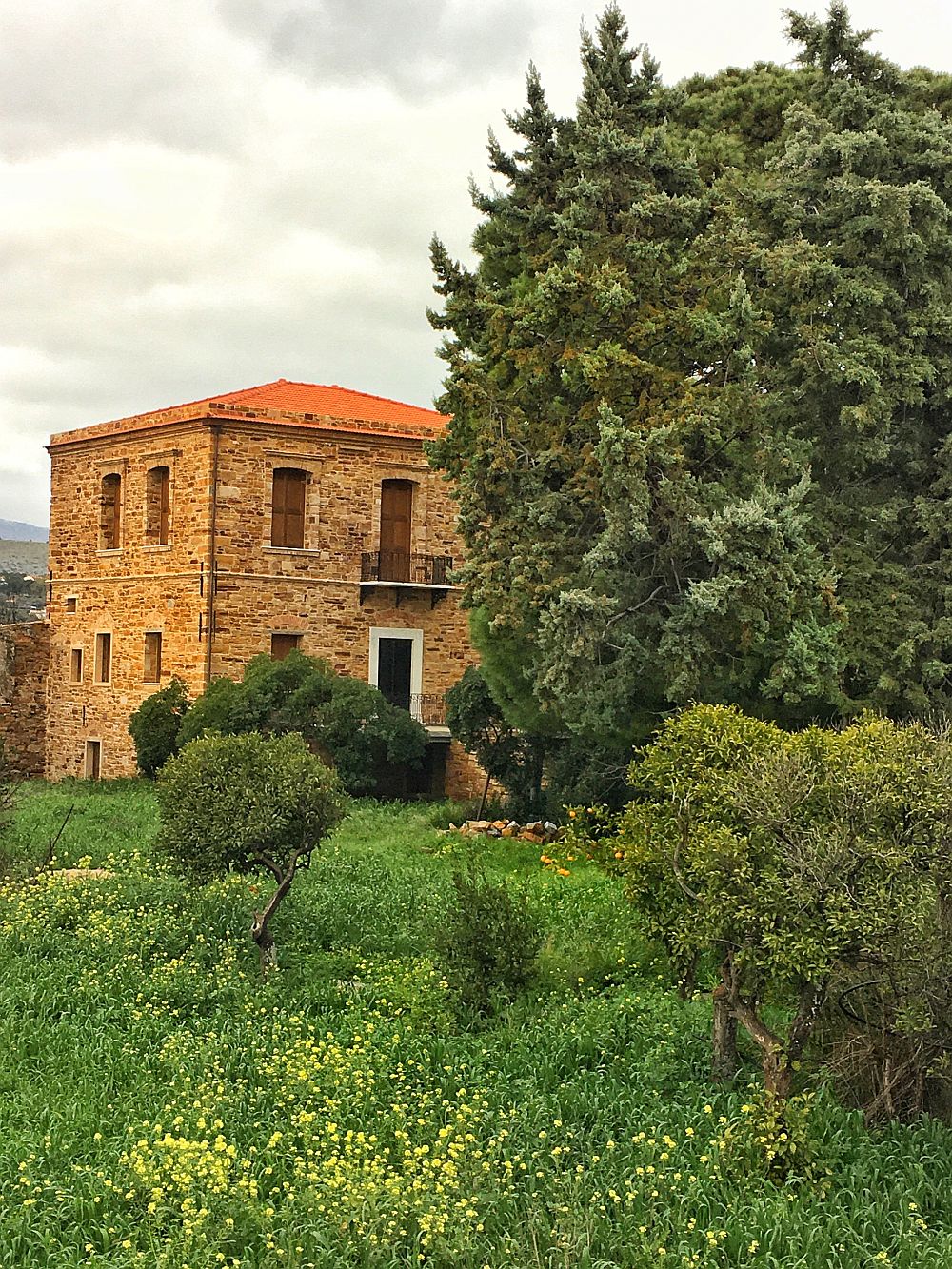
Mediul natural este în armonie totală cu arhitectura locală, iar zidurile înalte, construite din piatră roșiatică locală provenita din satul Thymiana, protejează conacele si grădinile de citrice de condițiile meteorologice extreme. Elementele arhitecturale includ uși și ferestre arcuite, balcoane și terase decorate cu basoreliefuri, uși de grădină uriașe din fier si alei pavate cu marmură.
Majoritatea acestor conace sunt azi vile si hotel boutiques care ofera sejururi si experiente exclusiviste, cu parfum de istorie si citrice, plus peisaje incantatoare. Am vizitat doua dintre aceste splendori: Argenti Mansion si Bella Cisterna, moșii care se păstrează încă în vechile familii burgheze locale.
Argenti Mansion – Argentikon Luxury Suites – Domeniul Argenti are o suprafață de aproximativ 32.000 de mp, a fost construit în secolul al XVI-lea de familia genoveza Argenti și, intre timp, desemnat Monument Istoric. Selectat printre cele mai bune 100 de vile din lume, Argentikon este un exemplu perfect de arhitectură medievală genoveză. Fiecare dintre cele 8 suite este unică, măiestria rafinată de odinioara și facilitățile secolului XXI au fost combinate pentru a crea o proprietate de neegalat în frumusețe și rafinament.
Complexul restaurat a funcționat odinioară ca hotel boutique de cinci stele, imbinând autenticitatea istorică cu luxul modern. În prezent, proprietatea nu este deschisă publicului și poate fi vizitată doar cu programare prealabilă; nu mai funcționează ca hotel, dar redeschiderea sa este planificată în viitorul apropiat.
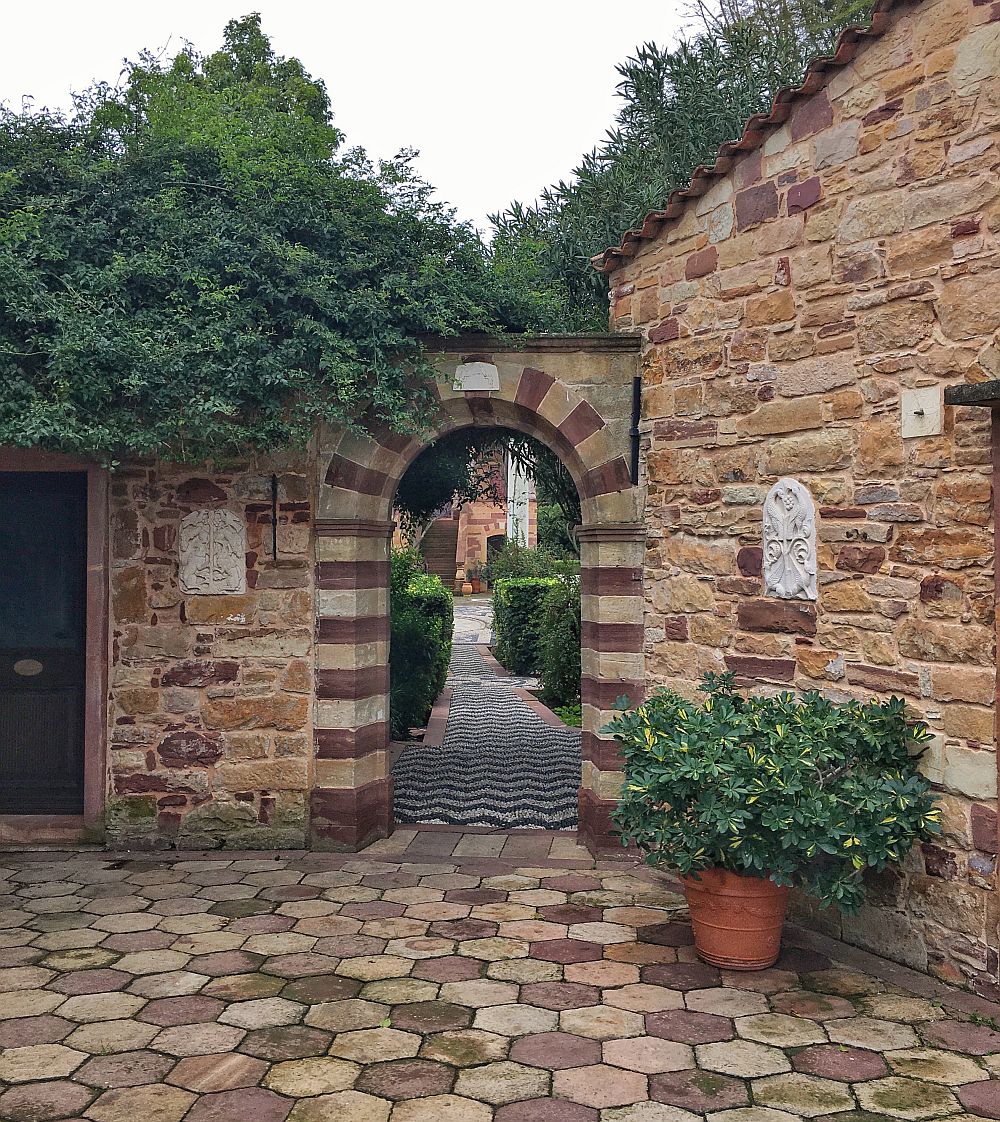
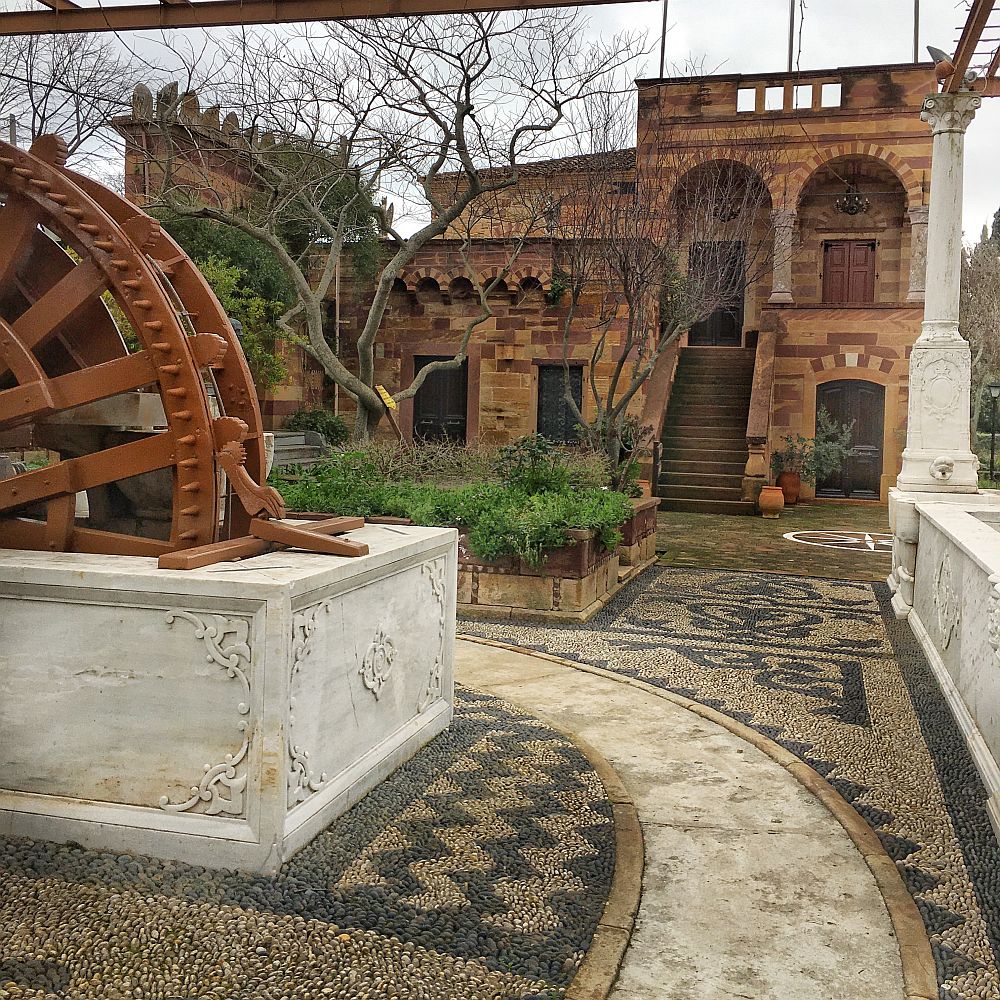
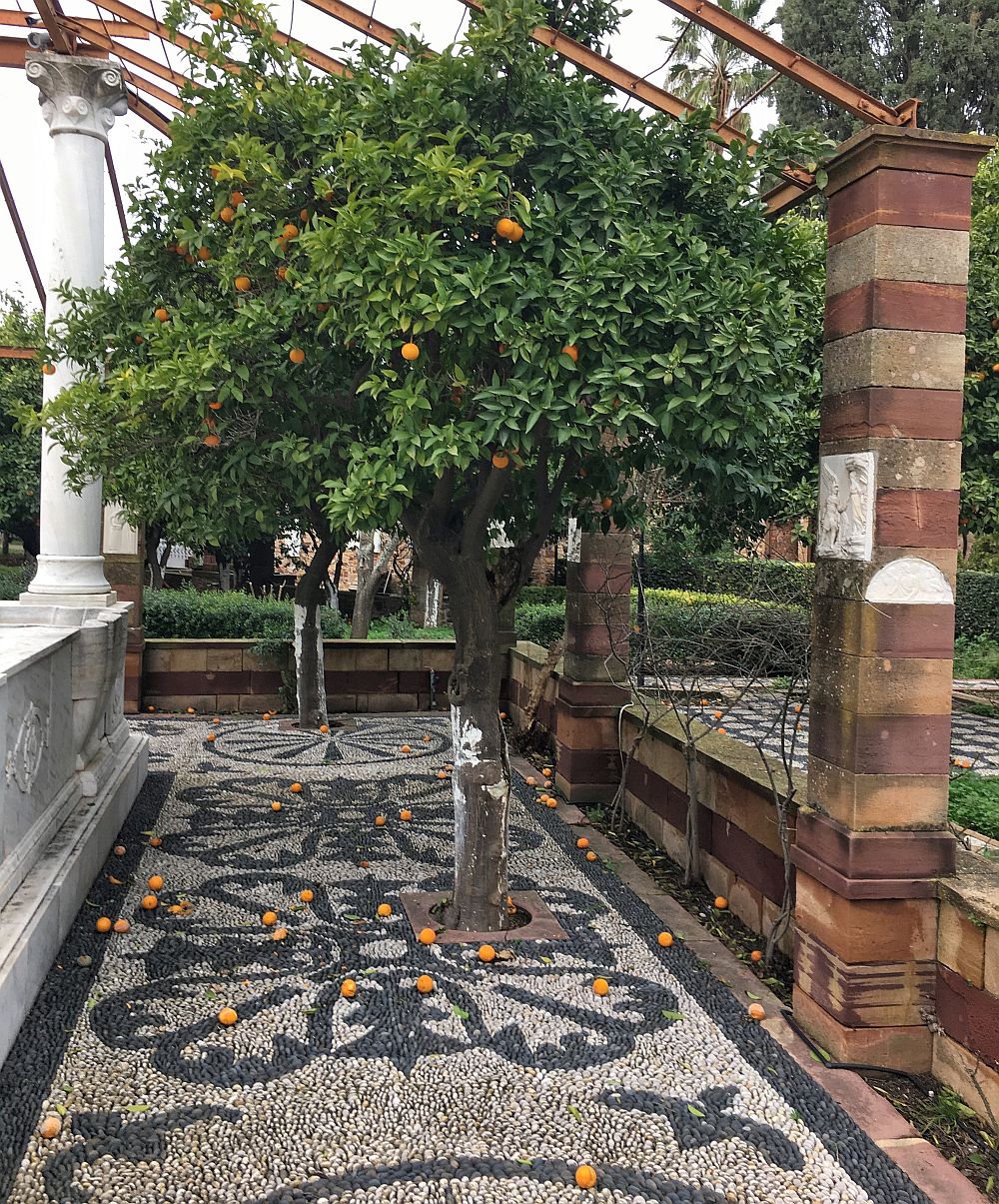
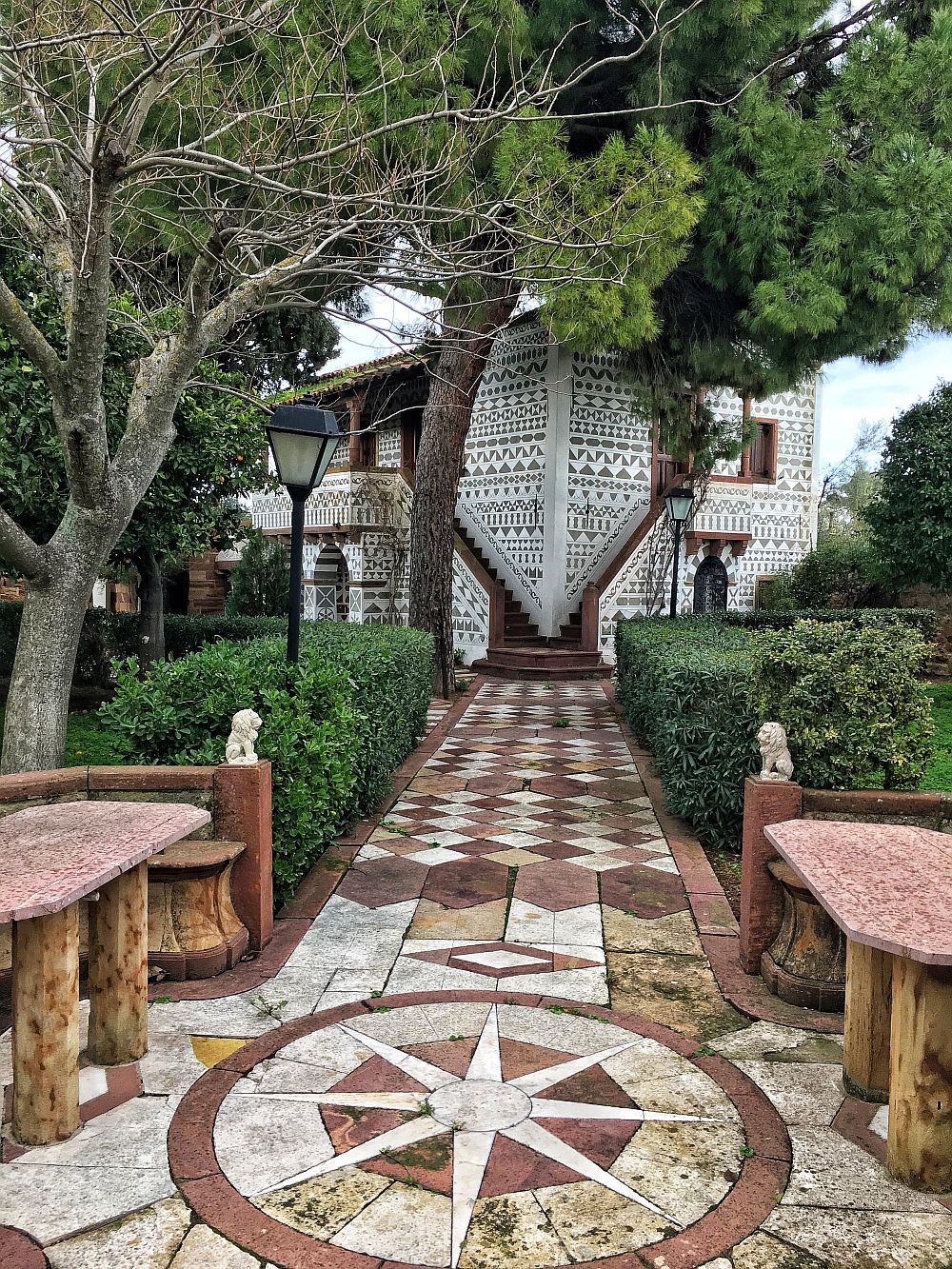
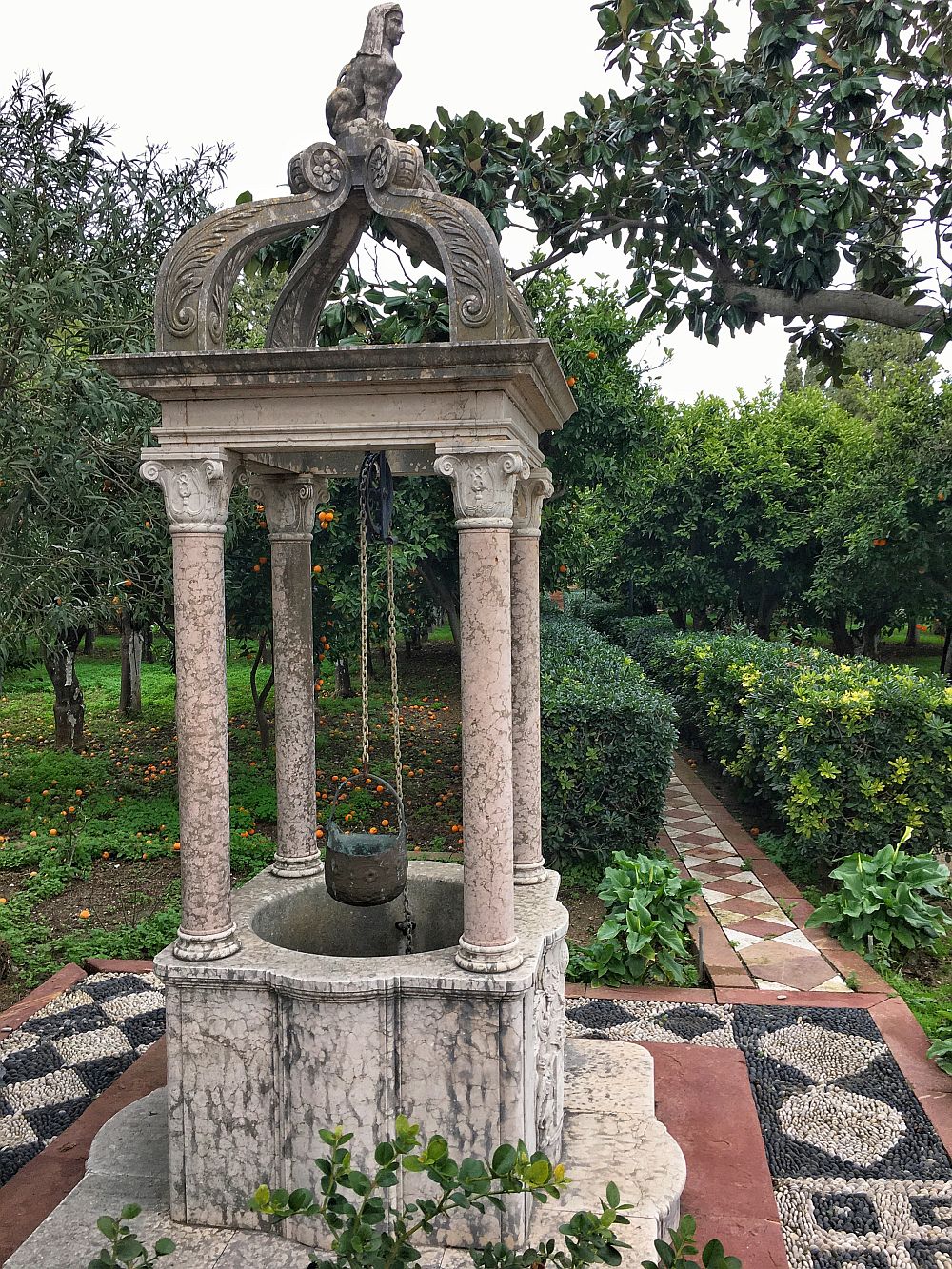
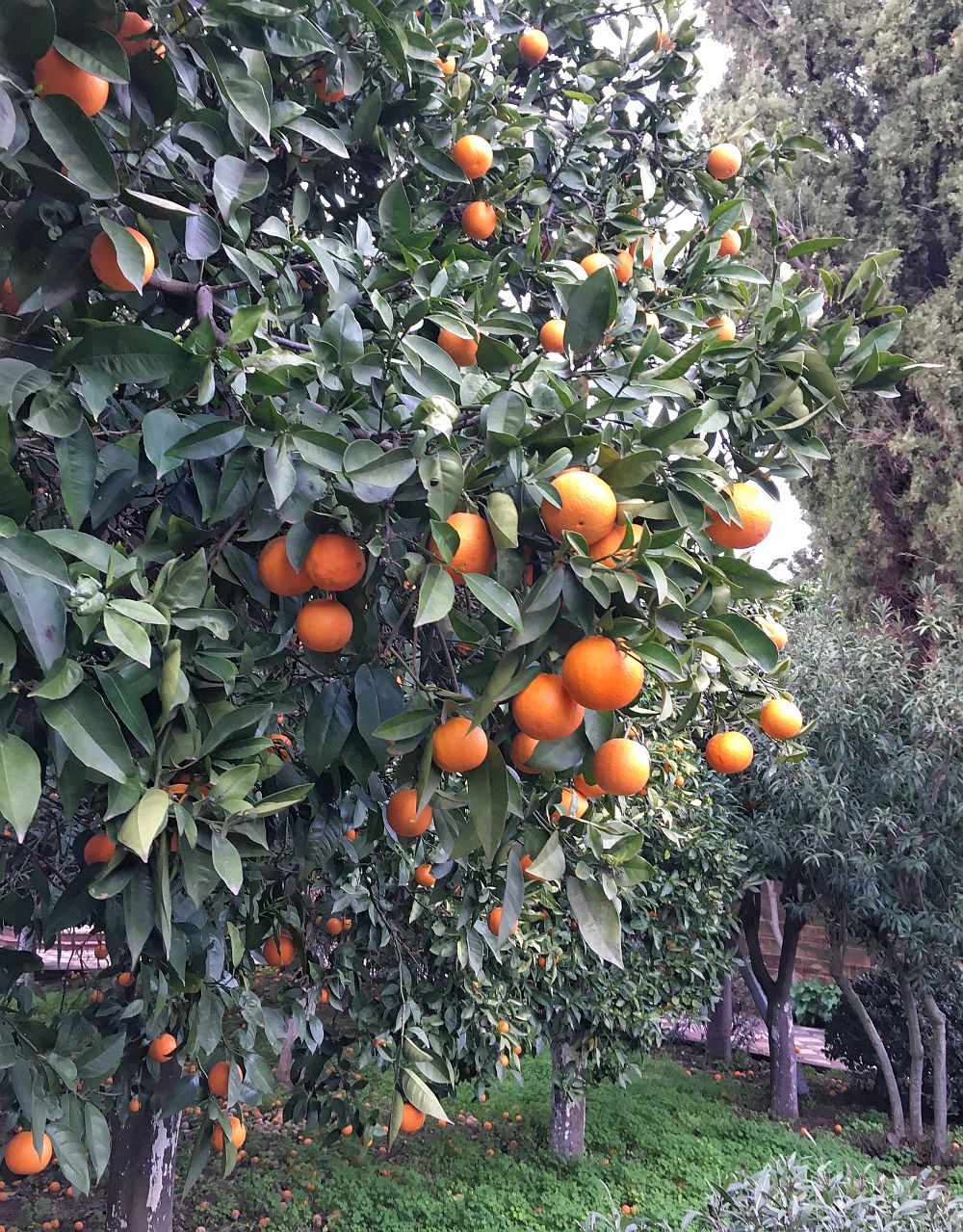
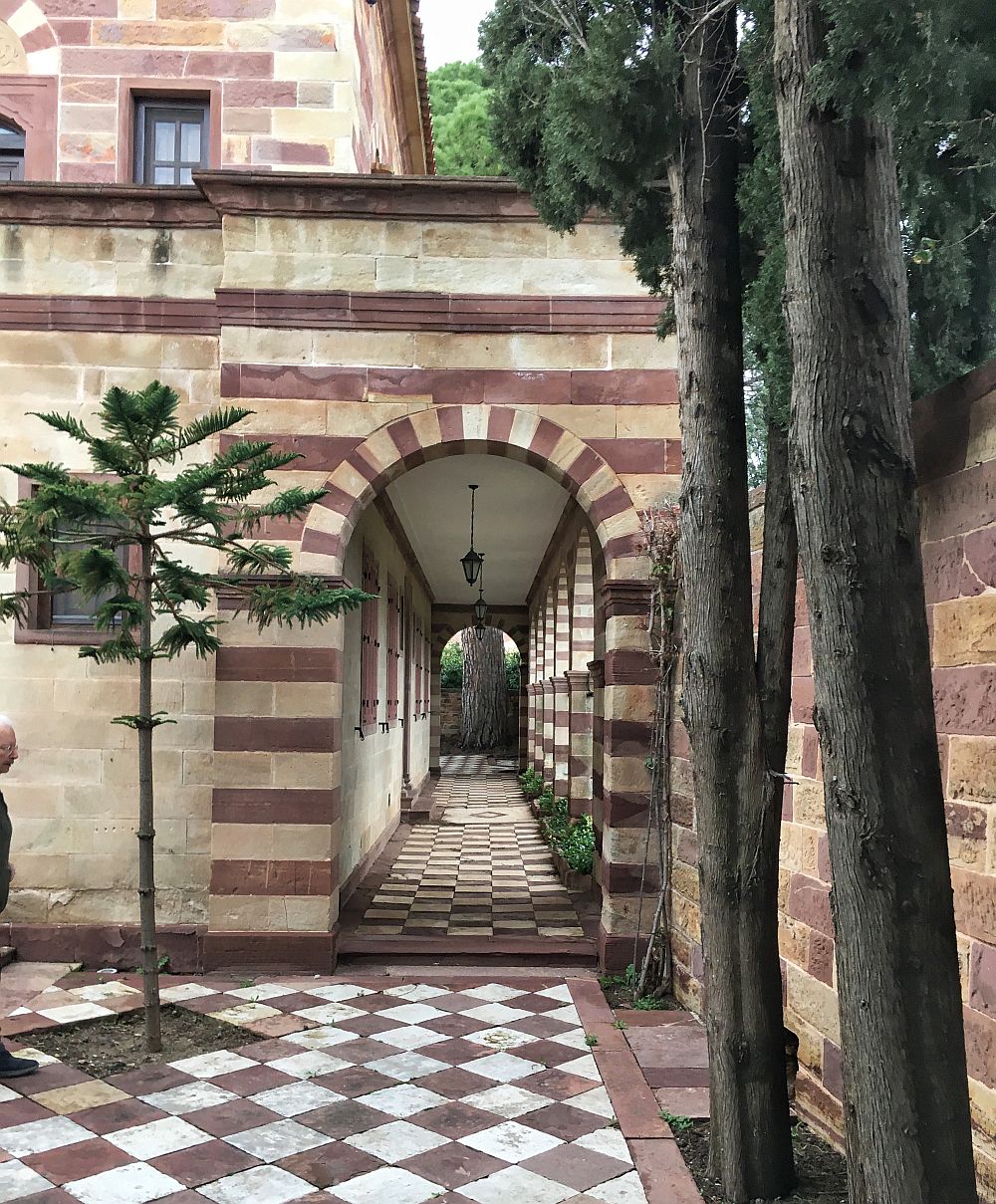
Domeniul istoric Bella Cisterna, cu rădăcini care datează din perioada genoveză (secolul XIV), invită oaspeții în mijlocul unei livezi de o frumusețe naturală unică, care invaluie simturile in aroma proaspătă a citricelor. Este locația ideală pentru cei care caută intimitate și doresc să se bucure de liniște intr-un loc unde vegetația luxuriantă se îmbină armonios cu arhitectura cu iz toscan a cladirilor.
English translated text:
Chios Town, the capital of the island with the same name, is a port in the Aegean Sea, boasts a vibrant history that validates its architecture and cultural heritage, the most important landmark being Chios Castle, whose ancient walls tell the story of centuries of diverse influences that have shaped the values, traditions, art and lifestyle of the locals.
The medieval castle dates back to the 10th century, from the mid-Byzantine period, consolidated under the Genoese occupation and built so as to have a direct connection to the port, also representing the fortified center of the city. Its main entrance (Porta Maggiore), built by the Venetians in 1694, is located at the Southern end and the walls, both land and sea, form an irregular pentagon, with imposing bastions, eight of which are quite well preserved.
The castle has always been inhabited, including now, therefore, on its narrow streets, there are buildings from different eras, which take you through time, like an incursion into history and cultural-architectural heritage experienced and discovered at every step.
The four traditional windmills of Chios are one of the most famous landmarks of the island, located 1.5 km north of Chios town, in the Tampakika area. Set on the seashore, built of stone at the end of the 19th century, now fully restored, the windmills that were once part of the island’s industrial past, as small tanneries and leather processing workshops, are a very cinematic place to admire the sunset, thanks to the emotion and visual aesthetics they offer.
6 km south of Chios town is the region of Kampos, one of the most chic and eclectic areas of the island. It is a unique residential complex, practically a huge citrus orchard where the Genoese aristocracy began to build their mansions around 1300. The Genoese created the extensive citrus gardens of Kampos in the 13th century, after ensuring that there were sufficient water reserves, and the success of citrus cultivation transformed Kampos into a huge garden. The citrus orchards were watered by wells with “maganos”, a traditional method of irrigation, while the two or three-story mansions offered the owners not only spectacular views, but also a way to observe their estate.
The natural environment is in total harmony with the local architecture, and the high walls, built of local reddish stone from the village of Thymiana, protect the mansions and citrus orchards from extreme weather conditions. Architectural features include arched doors and windows, balconies and terraces decorated with bas-reliefs, huge iron garden doors and marble-paved alleys.
Most of these mansions are now villas and boutique hotels that offer exclusive stays and experiences, with the scent of history and citrus, plus enchanting landscapes. We visited two of these splendors: Argenti Mansion and Bella Cisterna, estates that are still preserved in the old local bourgeois families.
Argenti Mansion – Argentikon Luxury Suites – The Argenti Estate covers an area of approximately 32,000 square meters, was built in the 16th century by the Genoese Argenti family and, in the meantime, has been designated a Historical Monument. Selected among the 100 best villas in the world, Argentikon is a perfect example of medieval Genoese architecture. Each of the 8 suites is unique, the refined craftsmanship of the past and the amenities of the 21st century have been combined to create a property unmatched in beauty and refinement.
The restored complex once operated as a five-star boutique hotel, combining historical authenticity with modern luxury. Currently, a family lives at Argentikon, so the property is not open to the public on a daily basis and can only be accessed by prior appointment; it no longer operates as a hotel, but its reopening is planned in the near future.
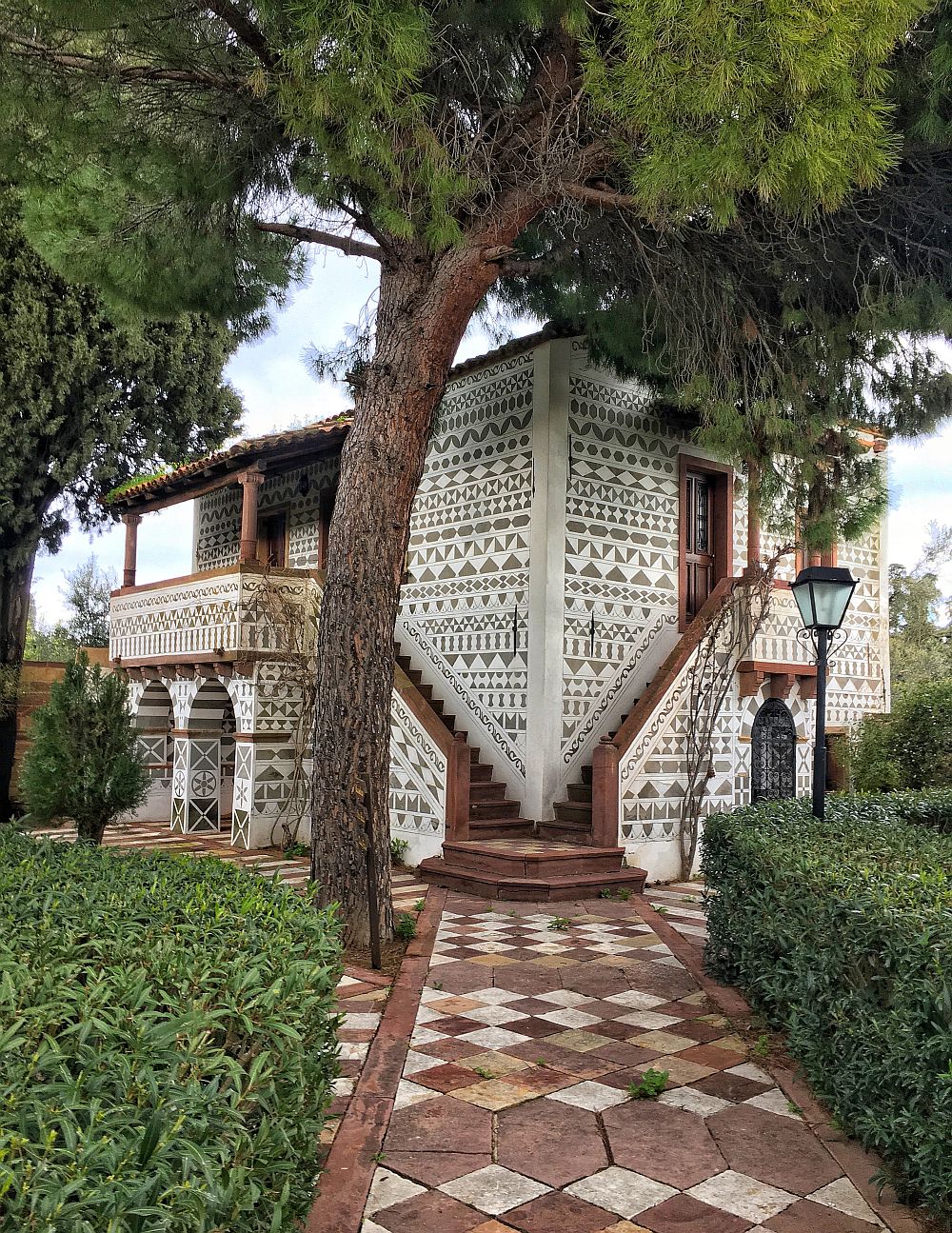
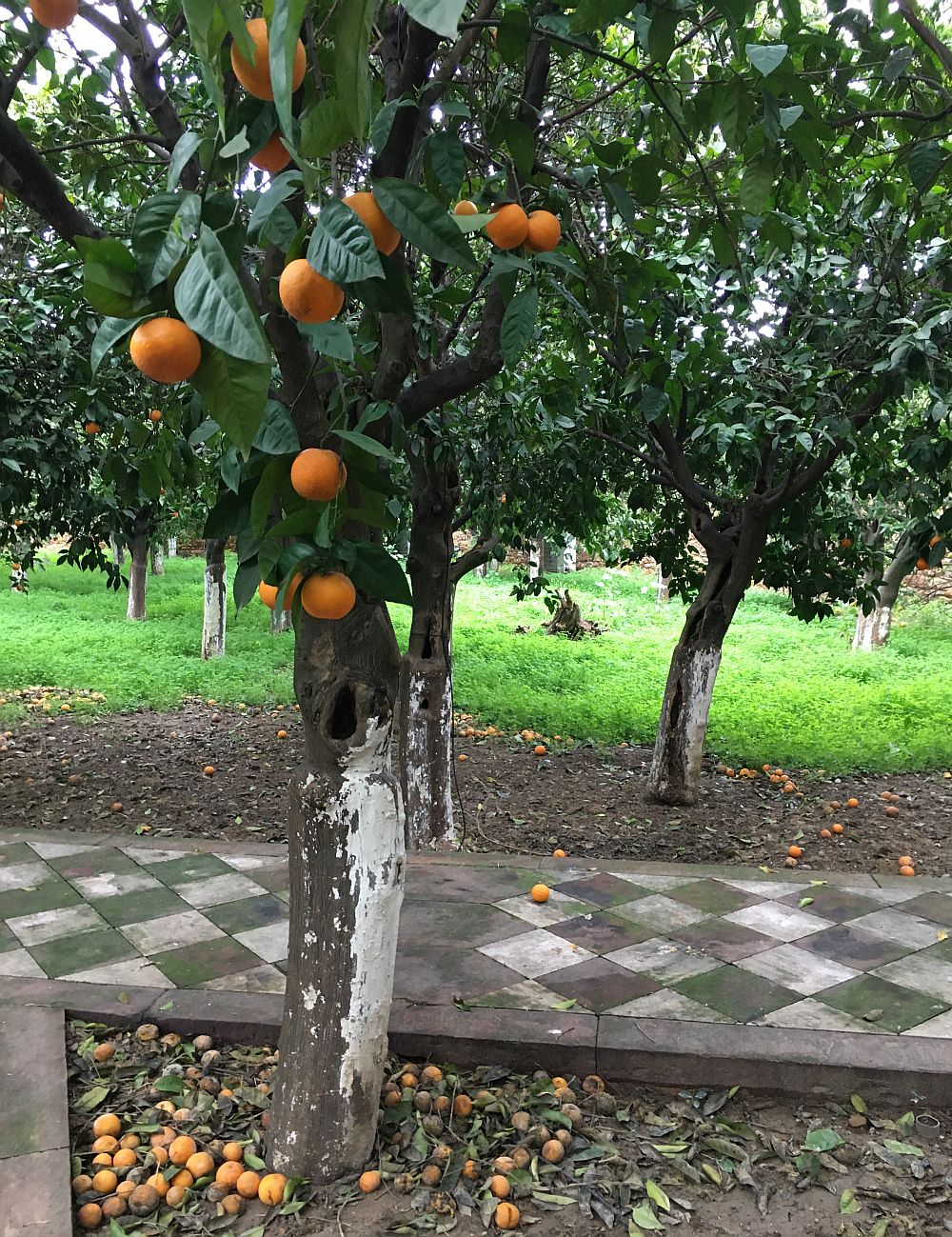
The historic Bella Cisterna Estate, with roots dating back to the Genoese period (14th century), invites guests to the middle of an orchard of unique natural beauty, which envelops the senses in the fresh aroma of citrus fruits. It is the ideal location for those seeking privacy and wanting to enjoy tranquility in a place where lush vegetation blends harmoniously with the Tuscan-inspired architecture of the buildings.
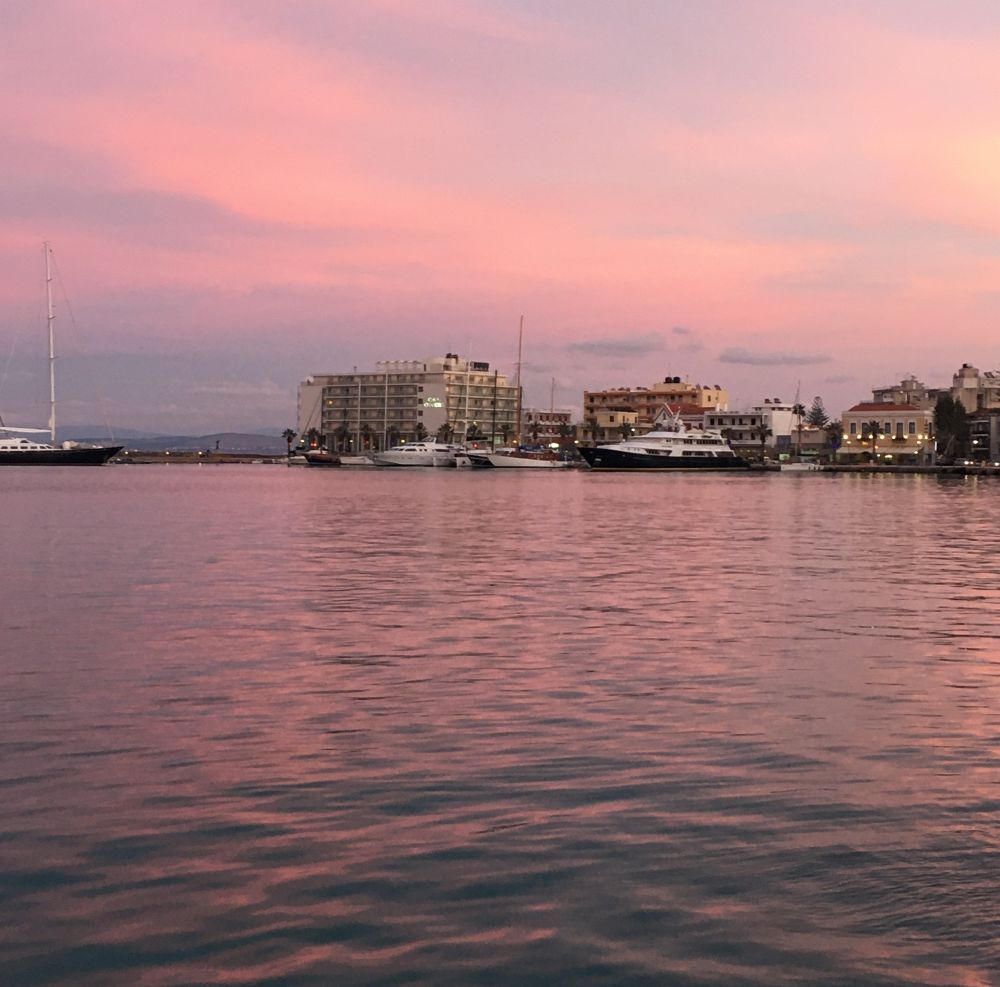
Sunset in the port of Chios town
Photo credits: personal archive Ruxandra Chiurtu